Opens in a new tab

Mangroves

The mangrove forests of the Seberang Perai coast: how to recognise the trees and where to see them.
Mangroves are salt-tolerant trees, shrubs, palms and ferns that grow where rivers meet the sea. Their roots hold the coast together, trap silt and shelter the fish, prawns and crabs that inshore fishermen depend on. This page is a guide to the mangrove plants recorded along the Seberang Perai coast.
Listed here
19 mangrove plants, including 2 mangrove ferns
Most common in Penang
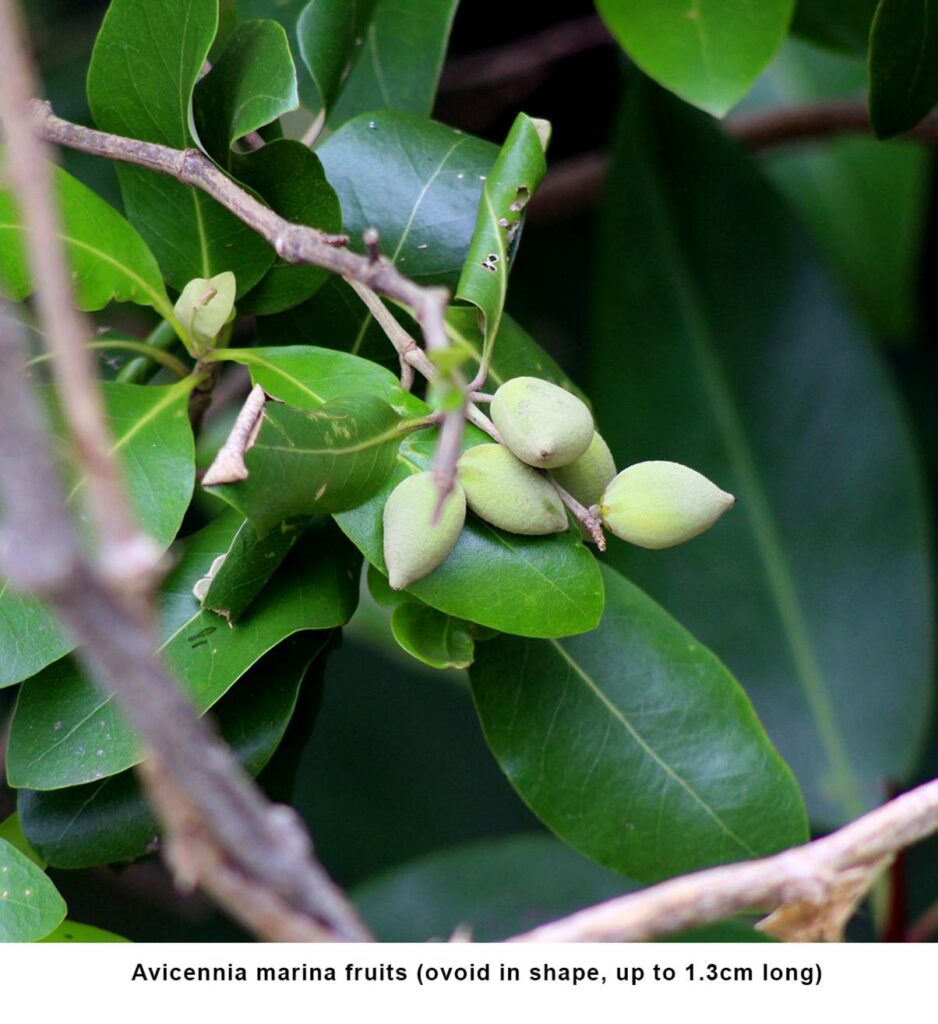
Avicennia marina (api-api)
Rarest
Bruguiera hainesii (berus mata buaya), Critically Endangered worldwide
Where to see them

Mangrove species

Scientific, English and Malay names for the mangrove plants recorded in Seberang Perai. Many of the photos were taken at the PIFWA Mangrove Education Centre in Sungai Acheh.
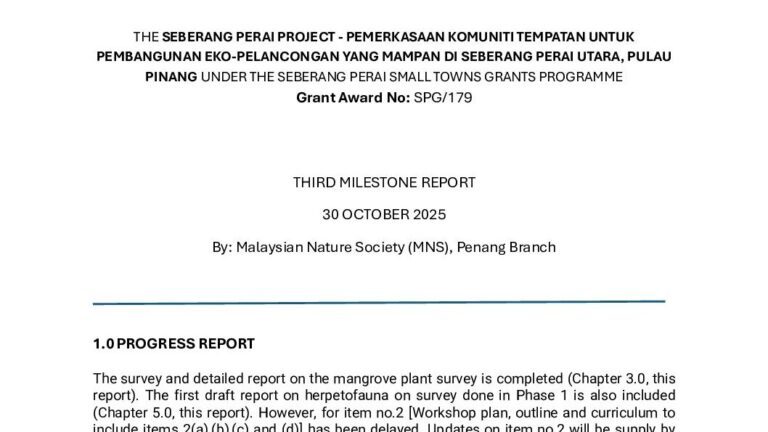
Acanthus ilicifolius

Acanthus ilicifolius

Holly-leaved Mangrove, Sea Holly / Jeruju Putih
scrambler
Acrostichum aureum

Acrostichum aureum

Golden Leather Fern
fern
Acrostichum speciosum

Acrostichum speciosum

Mangrove Fern
fern
Avicennia alba

Avicennia alba

White Mangrove / Api-api Putih
tree
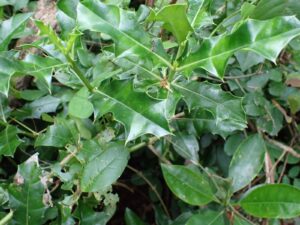
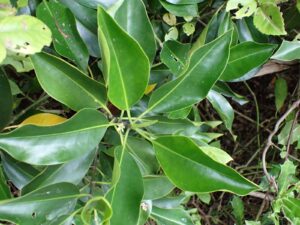
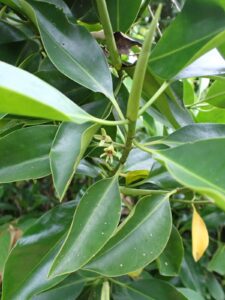
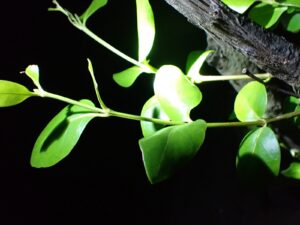
Avicennia marina

Avicennia marina

Grey Mangrove / Api-api Jambu
tree
Avicennia officinalis

Avicennia officinalis

Indian Mangrove / Api-api Ludat
tree
Bruguiera cylindrica

Bruguiera cylindrica

Small-fruited Mangrove / Berus, Bakau Putih
tree
Bruguiera gymnorhiza

Bruguiera gymnorhiza

Large-leaved Orange Mangrove / Tumu Merah
tree
Bruguiera hainesii

Bruguiera hainesii

Haines' Mangrove / Berus Mata Buaya
tree
Bruguiera parviflora

Bruguiera parviflora

Small-flowered Mangrove / Lenggadai
tree
Bruguiera sexangula

Bruguiera sexangula

Upriver Orange Mangrove / Tumu Putih
tree
Bruguiera stylosa

Bruguiera stylosa

Long-styled Mangrove
tree
Ceriops tagal

Ceriops tagal

Spurred Mangrove / Tengar
tree
Nypa fruticans

Nypa fruticans

Nipah Palm / Nipah
palm
Rhizophora apiculata

Rhizophora apiculata

Tall-stilt Mangrove / Bakau Minyak
tree
Rhizophora mucronata

Rhizophora mucronata

Loop-root Mangrove / Bakau Kurap
tree
Rhizophora stylosa

Rhizophora stylosa

Stilt Mangrove / Bakau Hitam
tree
Sonneratia caseolaris

Sonneratia caseolaris

Crabapple Mangrove / Berembang
tree
Xylocarpus granatum

Xylocarpus granatum

Cannonball Mangrove / Nyireh Bunga
tree

How to tell them apart

Field notes from MNS Penang on the roots, bark, flowers and fruit to look for.

Most mangroves along the Seberang Perai coast can be told apart by their roots:

  • Api-api (Avicennia): pencil-like breathing roots poke up from the mud around the tree. These are the pioneers of the seaward edge.
  • Bakau (Rhizophora): arching stilt roots prop the trunk up above the water.
  • Berus and tumu (Bruguiera): knee-shaped roots loop in and out of the mud, on firmer ground behind the seaward edge.
  • Berembang (Sonneratia): thick, cone-shaped breathing roots, along brackish riverbanks.
  • Nipah (Nypa fruticans): the mangrove palm, with long fronds rising straight from the mud of tidal creeks.

Api-api putih (Avicennia alba)

The white mangrove is a pioneer of the seaward side of the forest and is often one of the first trees to colonise newly formed mudflats, where it copes with harsh tidal conditions. Look for a dark trunk and narrow leaves that are pale underneath.

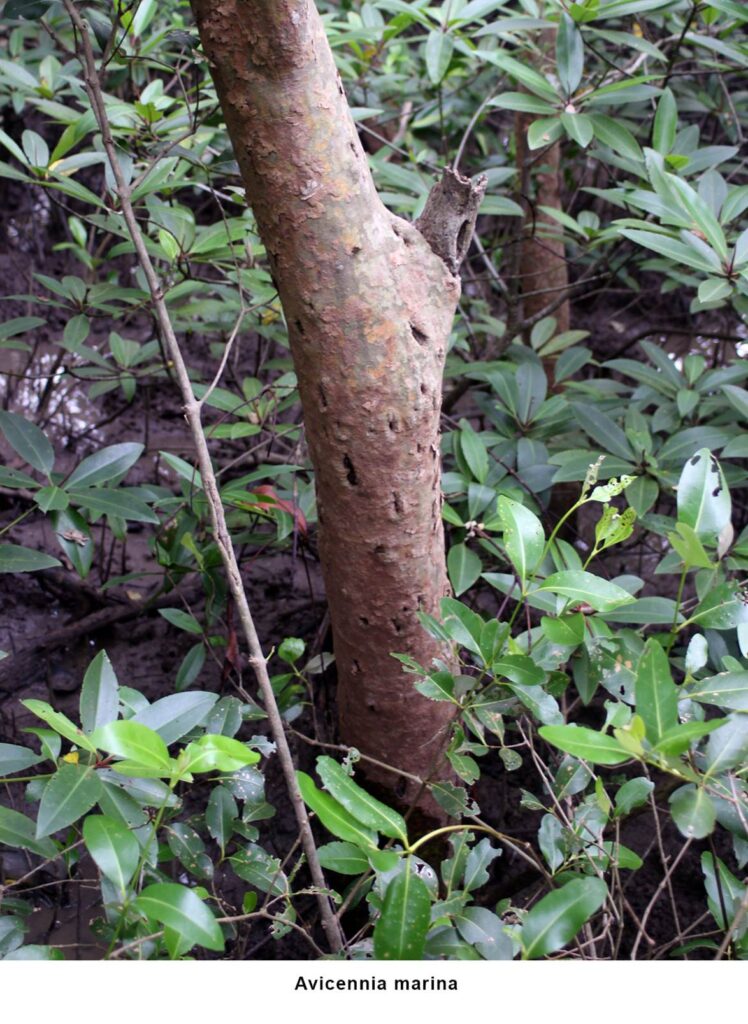
Api-api (Avicennia marina)

The most common mangrove in Penang. It grows right on the coast front, in the lower intertidal zone, where it tolerates stronger waves and saltier water than most mangroves. The surest sign is its reddish-brown bark, which flakes off in papery scales.
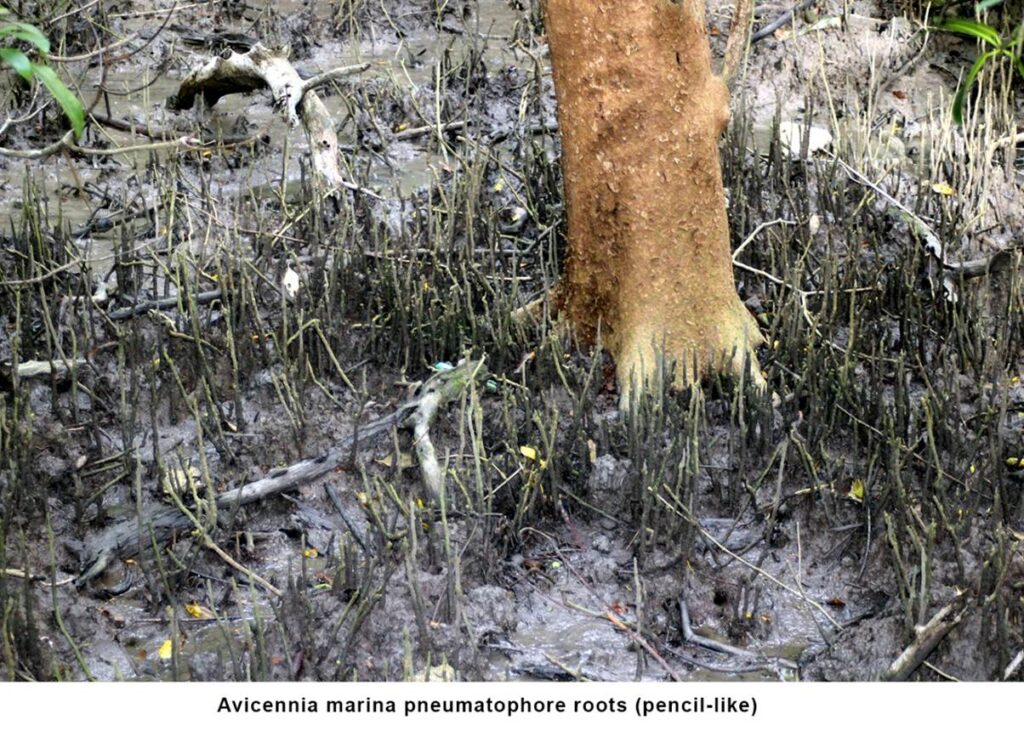
Berus (Bruguiera cylindrica)

Also called bakau putih or the small-fruited mangrove. It grows on higher, firmer ground behind the api-api, and its knee-shaped roots make it easy to recognise.

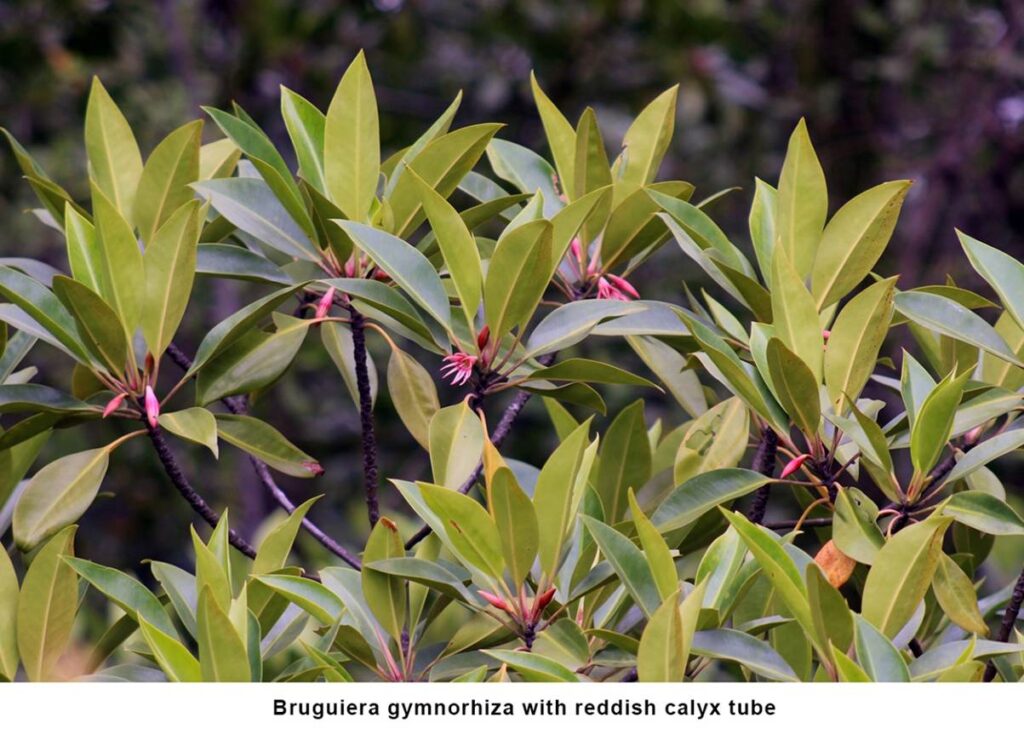
Tumu merah (Bruguiera gymnorhiza)

The large-leaved orange mangrove grows in the back mangrove. Its solitary, nodding flowers have a thick, woody calyx that is reddish-pink to bright red, especially in the sun. That red calyx is the easiest way to tell it from other Bruguiera, which usually have greenish or yellowish calyces.

The species notes and photos above are by the Malaysian Nature Society (MNS) Penang. Photos of the other species were taken at the PIFWA Mangrove Education Centre in Sungai Acheh.