Fishermen who plant mangroves
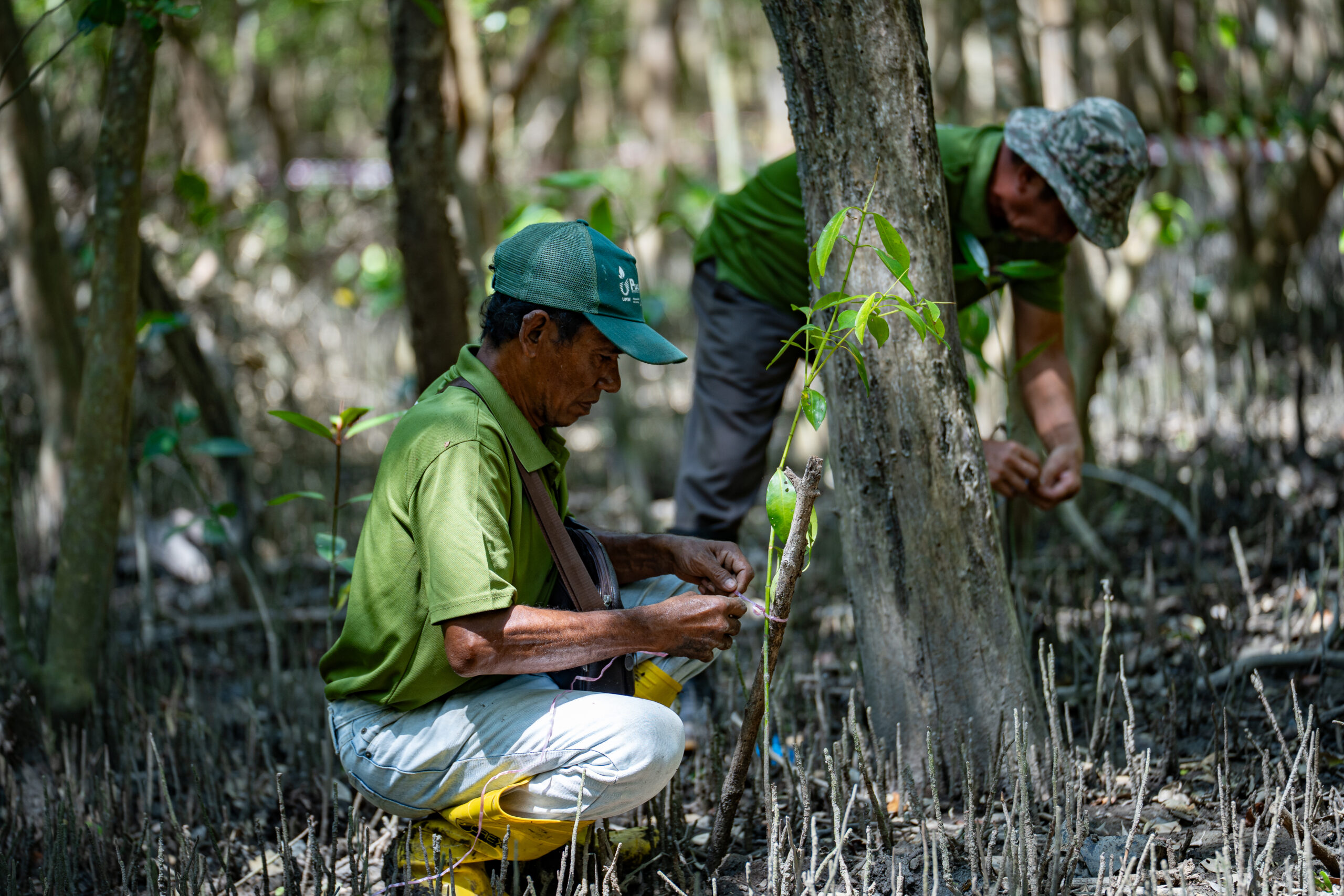
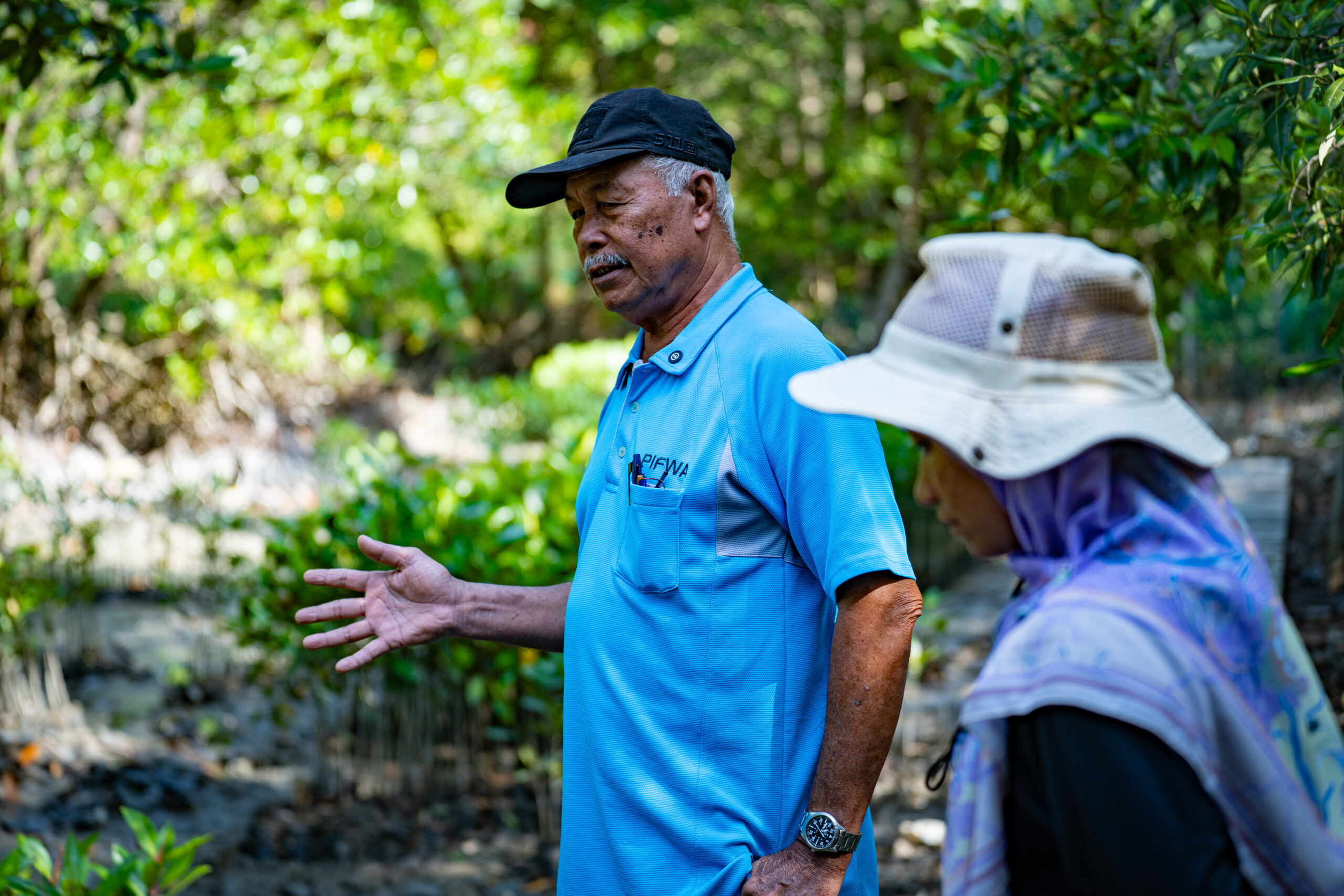
The Penang Inshore Fishermen Welfare Association (Persatuan Kebajikan Nelayan-Nelayan Pantai Pulau Pinang, PIFWA) has been replanting mangroves since 1997. Working with government agencies and companies, it has helped plant around 300,000 mangrove trees in Penang. For inshore fishermen the reason is simple: healthy mangroves and clean rivers mean more fish and shellfish.
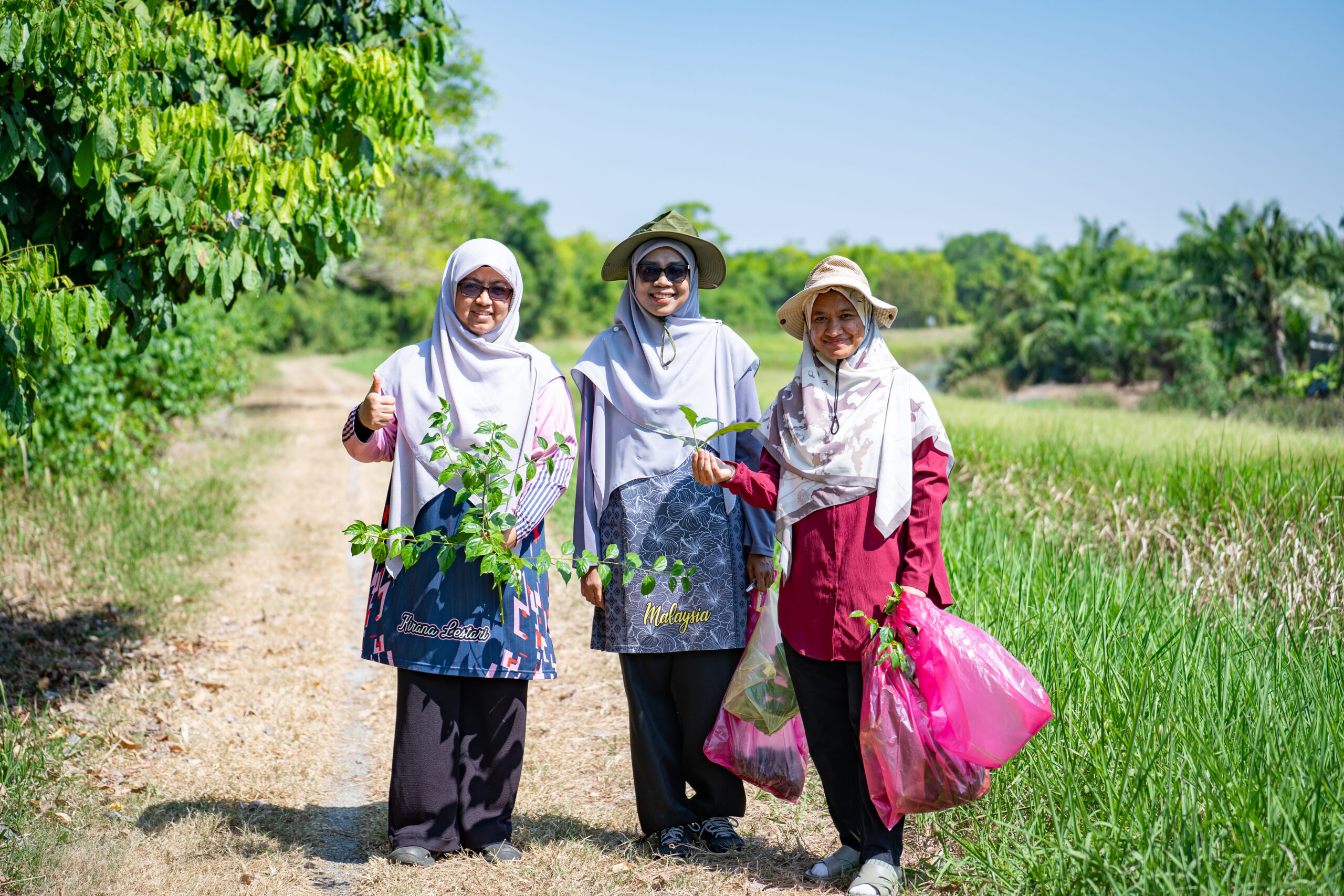
Under Think City’s Seberang Perai Circular Economy Programme and Sungai Perai Programme, PIFWA and its women’s wing, PIFWANITA, took that message to the wider public. They held exhibitions, ran planting days and introduced people to food made from mangrove plants.
Eleven events, from mosques to fishing jetties
Between May 2025 and May 2026, PIFWA ran or joined eleven exhibitions and awareness events for local communities, fishing families, students, universities and NGOs:
| Date | Event | Place |
|---|---|---|
| 31 May 2025 | Exhibition | Masjid Daerah Seberang Perai Tengah, Bandar Perda |
| 14 Jun 2025 | Exhibition | Masjid Ar-Rasyidin, Nibong Tebal |
| 15 Jun 2025 | Exhibition and talk on why rivers matter to the community | Taman Sembilang community hall, Seberang Jaya |
| 3 Jul 2025 | Exhibition | Universiti Sains Malaysia (USM) |
| 27 Sep 2025 | Introduction to digital tools and AI for fishing families | Mangrove Education Centre, Sungai Acheh |
| 29 Nov 2025 | Kota Warisan Perai exhibition | Labuh Banting fishing jetty |
| 29–30 Nov 2025 | Shorebird Festival exhibition | Sungai Tembus fishing jetty |
| 8 Feb 2026 | Launch of Kota Warisan Perai by the Chief Minister of Penang | Dewan Banjir, Labuh Banting |
| 12 Apr 2026 | Mangrove awareness and planting day with IKRAM | Mangrove Education Centre, Sungai Acheh |
| 23 Apr 2026 | Mangrove awareness and planting day with USM students and Water Watch Penang | Mangrove Education Centre, Sungai Acheh |
| 16 May 2026 | Mangrove awareness and planting day with a secondary school | Mangrove Education Centre, Sungai Acheh |
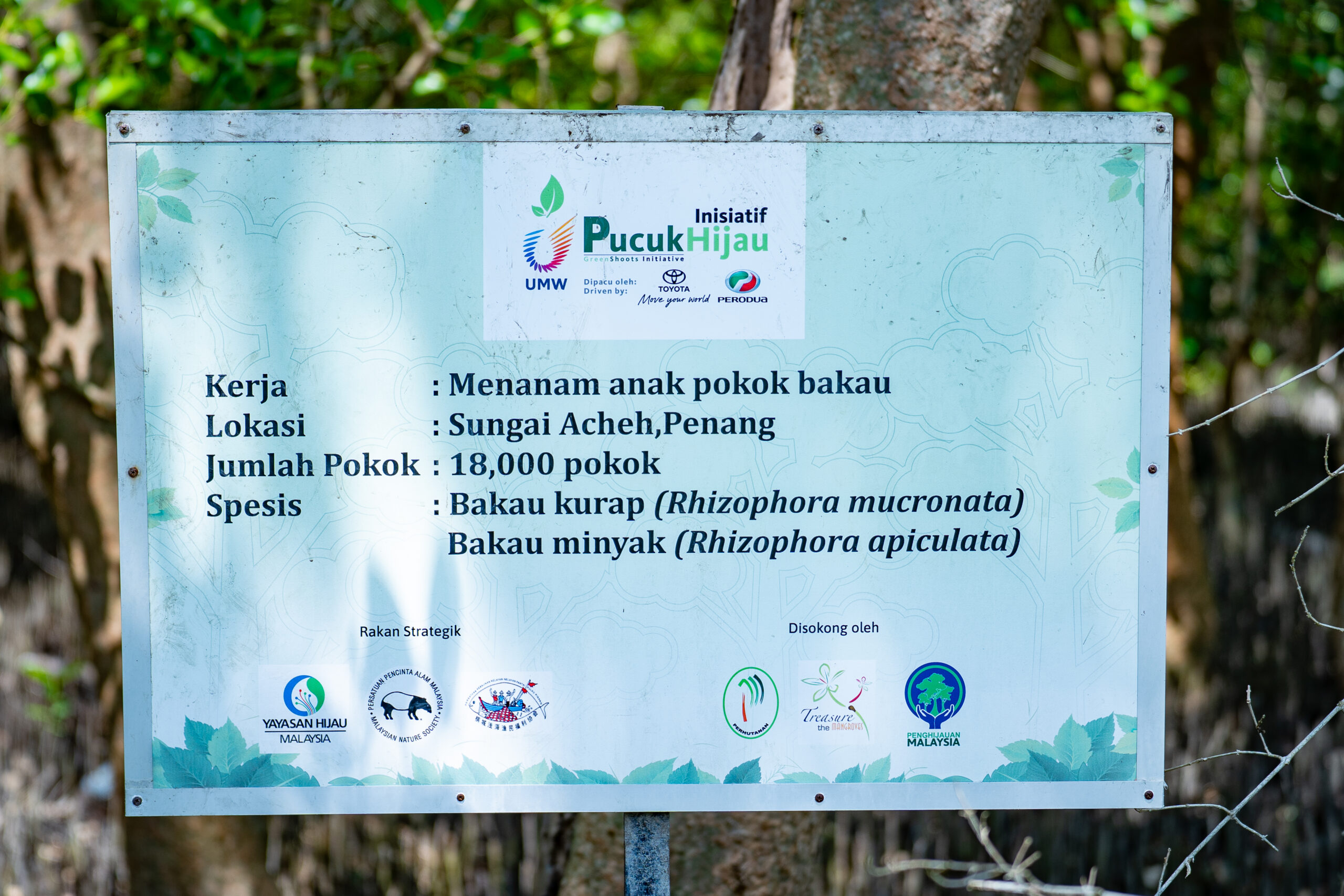
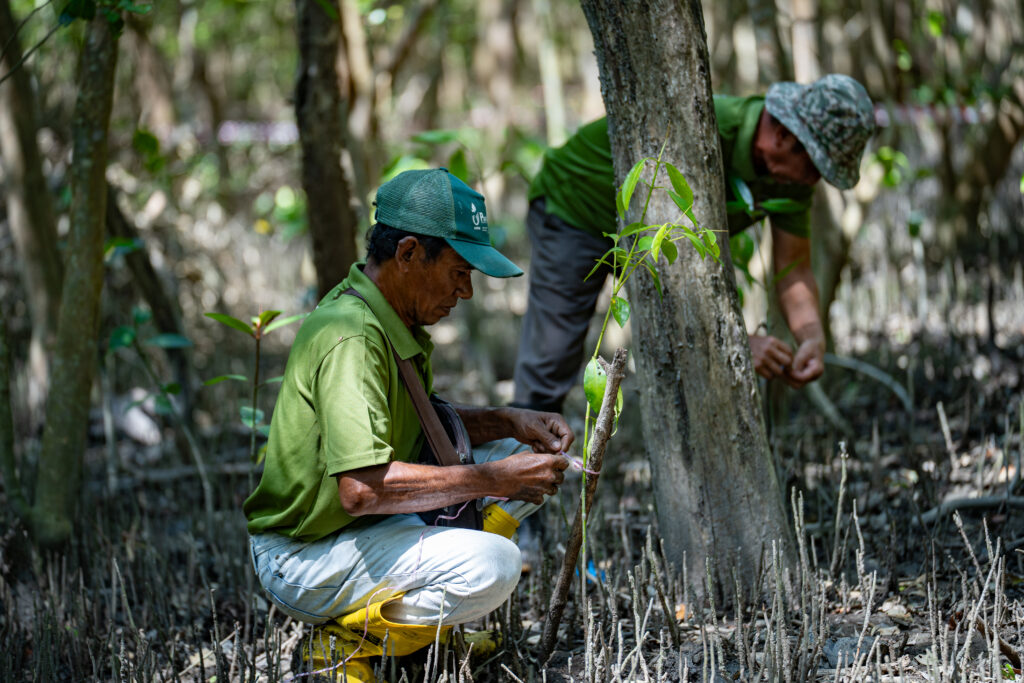
The three planting days brought 280 volunteers to Sungai Acheh and put 550 mangrove saplings in the ground: 200 with IKRAM and local residents, 150 with USM students and Water Watch Penang, and 200 with students, parents and teachers from SMK Telok Air Tawar.
The Mangrove Education Centre at Sungai Acheh
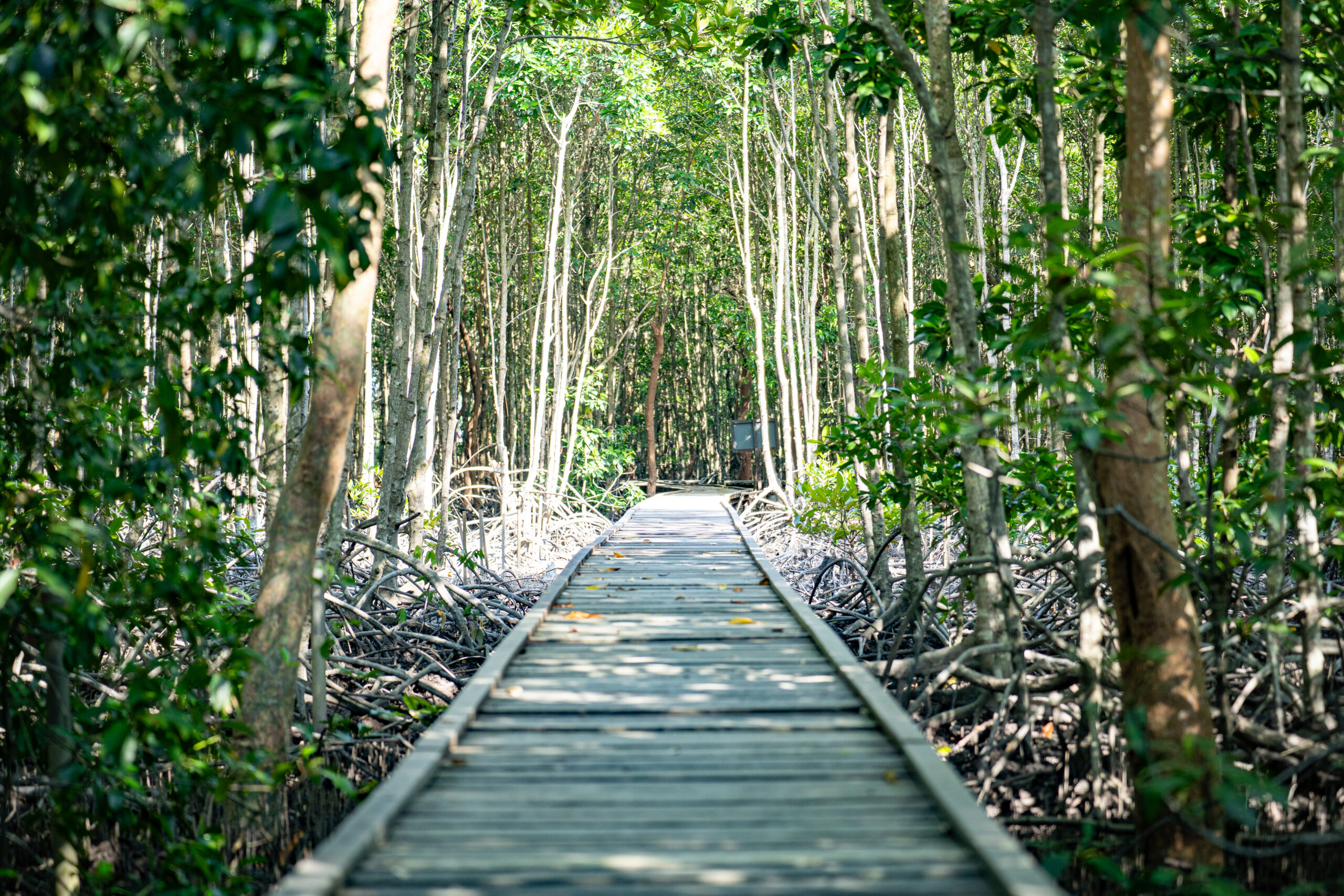
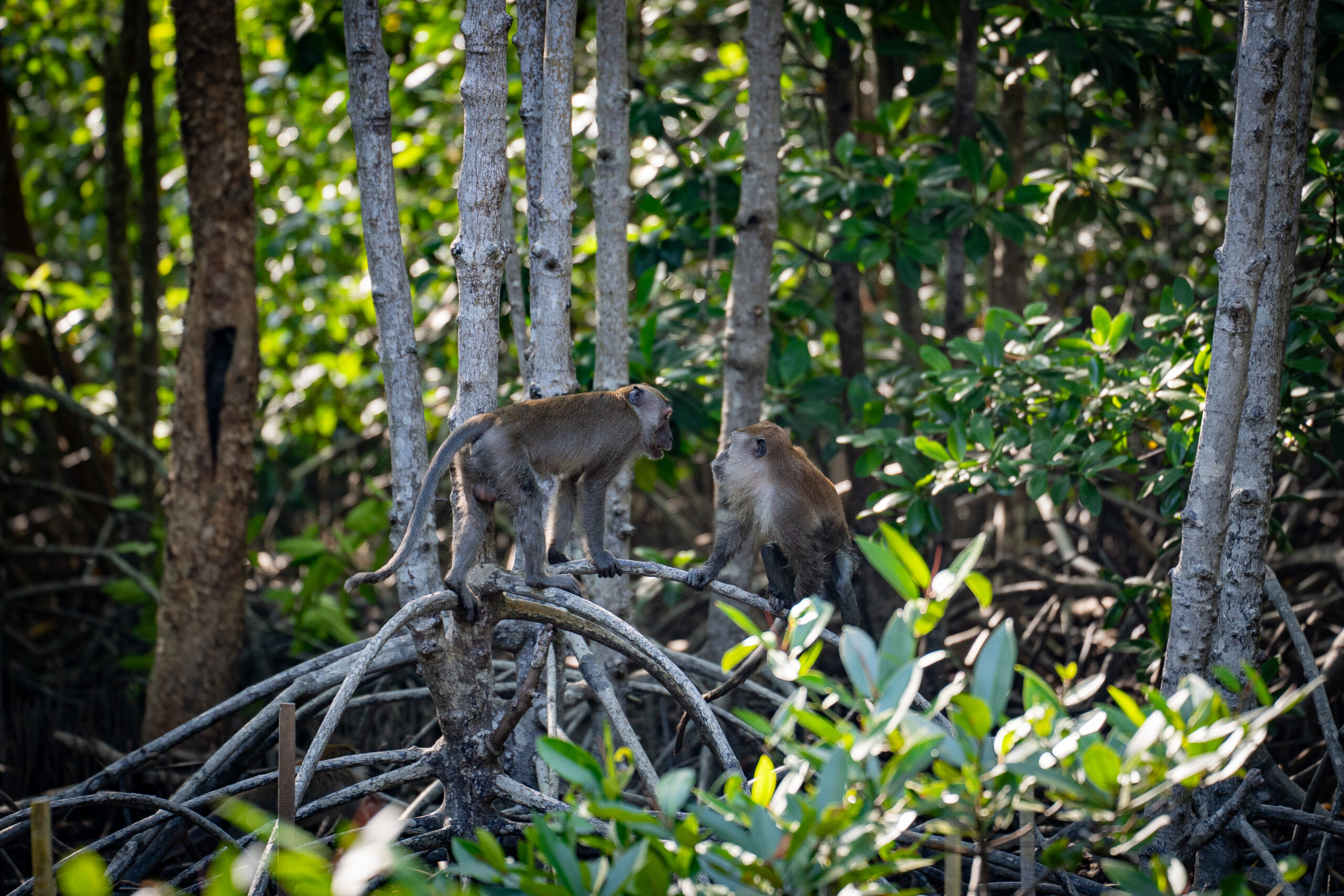
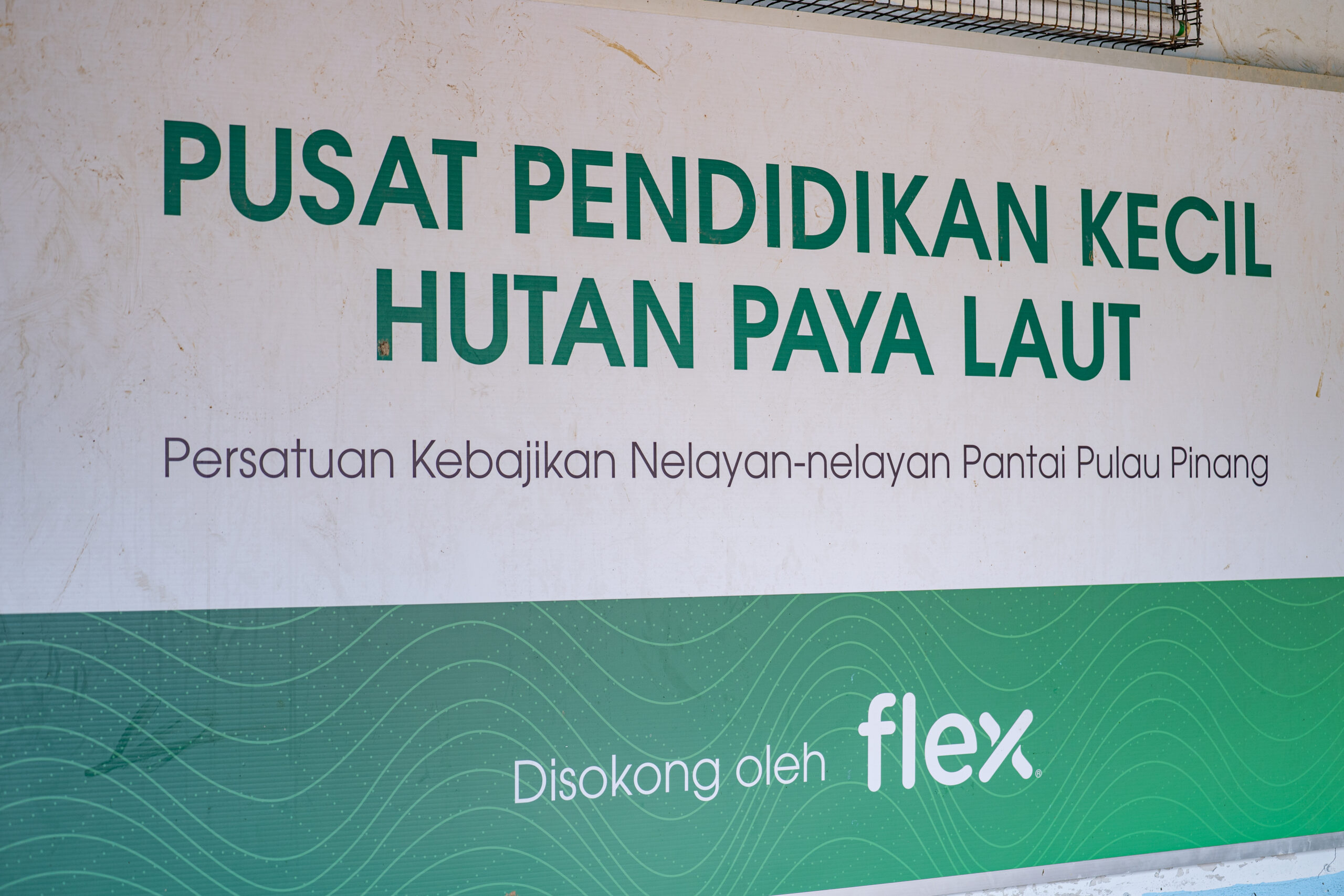
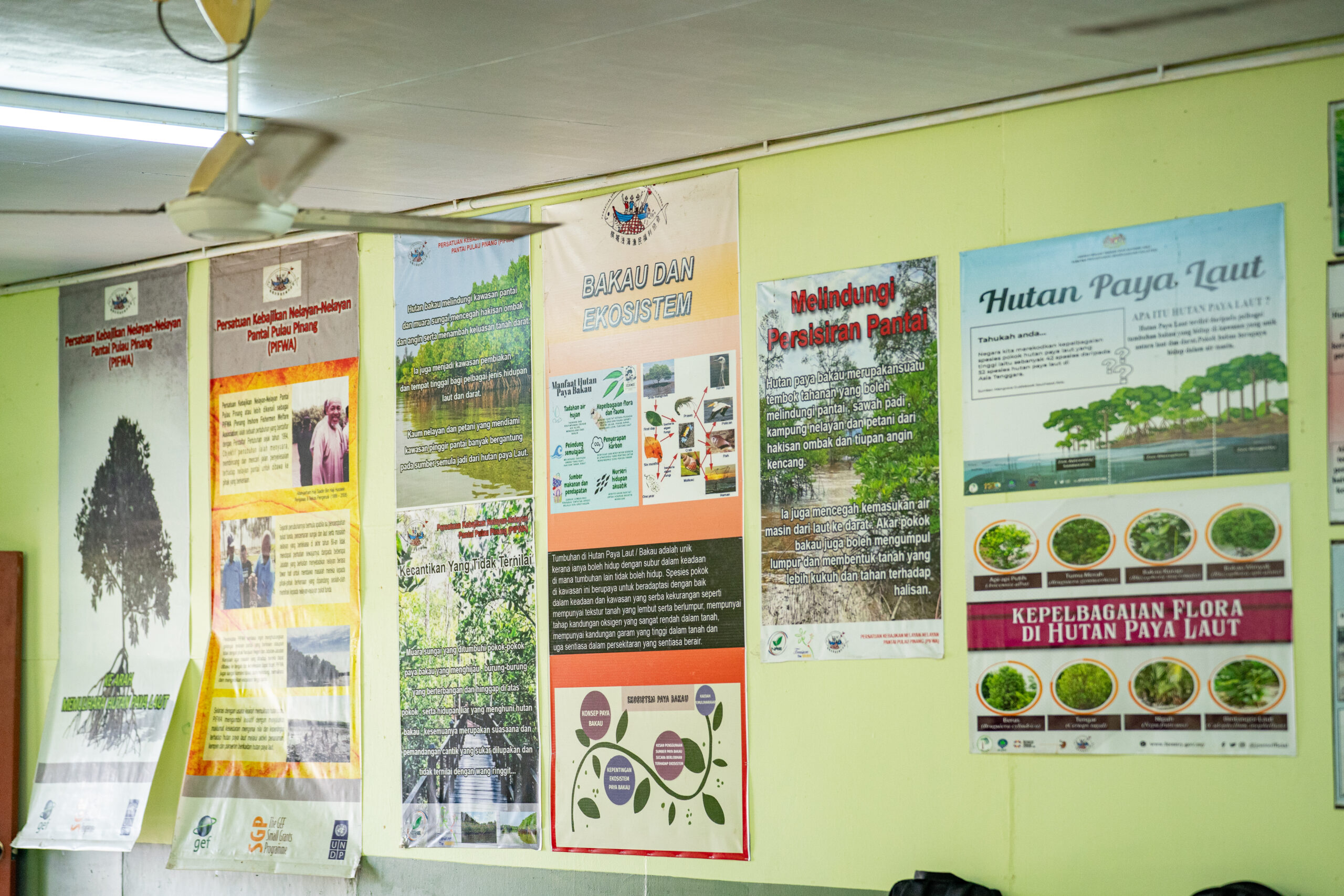
PIFWA members built the Pusat Pendidikan Hutan Paya Laut (Mangrove Education Centre) themselves, and it opened in March 2012. A boardwalk runs through the mangrove forest past a seedling nursery and signboards naming each species, and an exhibition room explains mangrove plants, animals and products. Schools, colleges, universities, companies and government agencies visit to learn about mangroves and to plant them. Long-tailed macaques are a common sight along the boardwalk.
- Address: Persempadan Lot 1044, Mukim 10, 14310 Sungai Acheh, Nibong Tebal, Seberang Perai Selatan, Penang
- Map: Mangrove Education Centre on Google Maps
- Email: pifwasgacheh@yahoo.com
Food from the mangroves
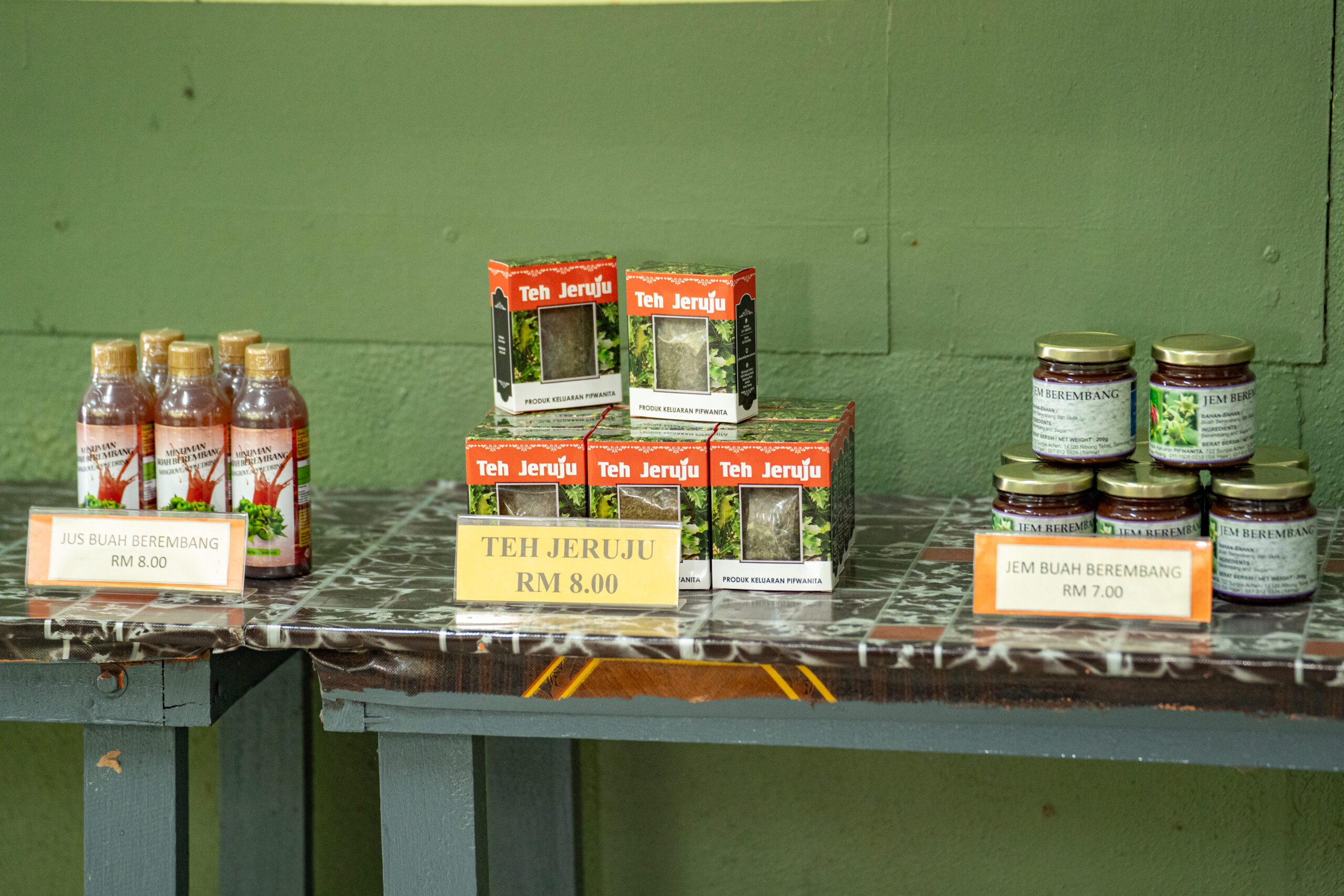
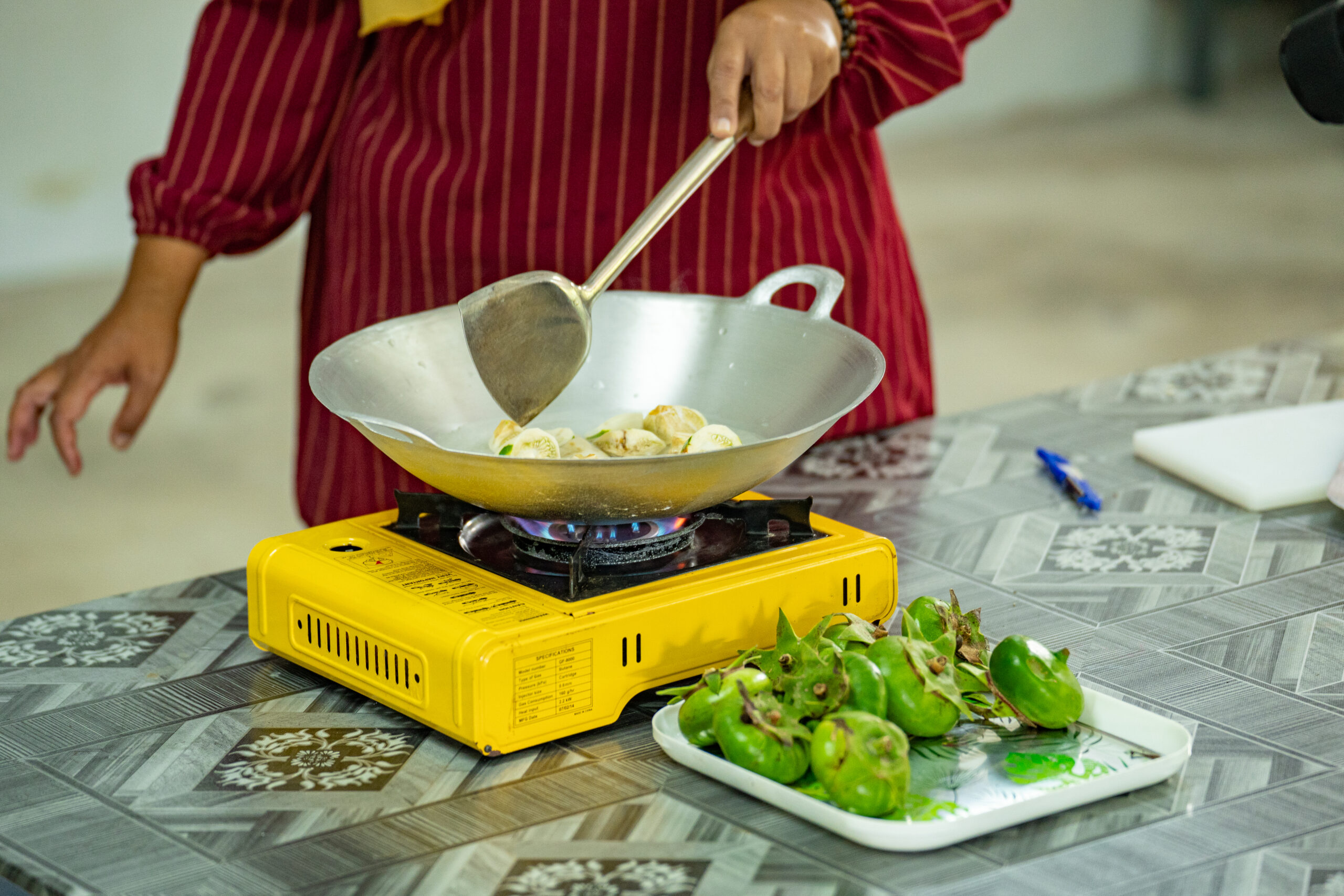
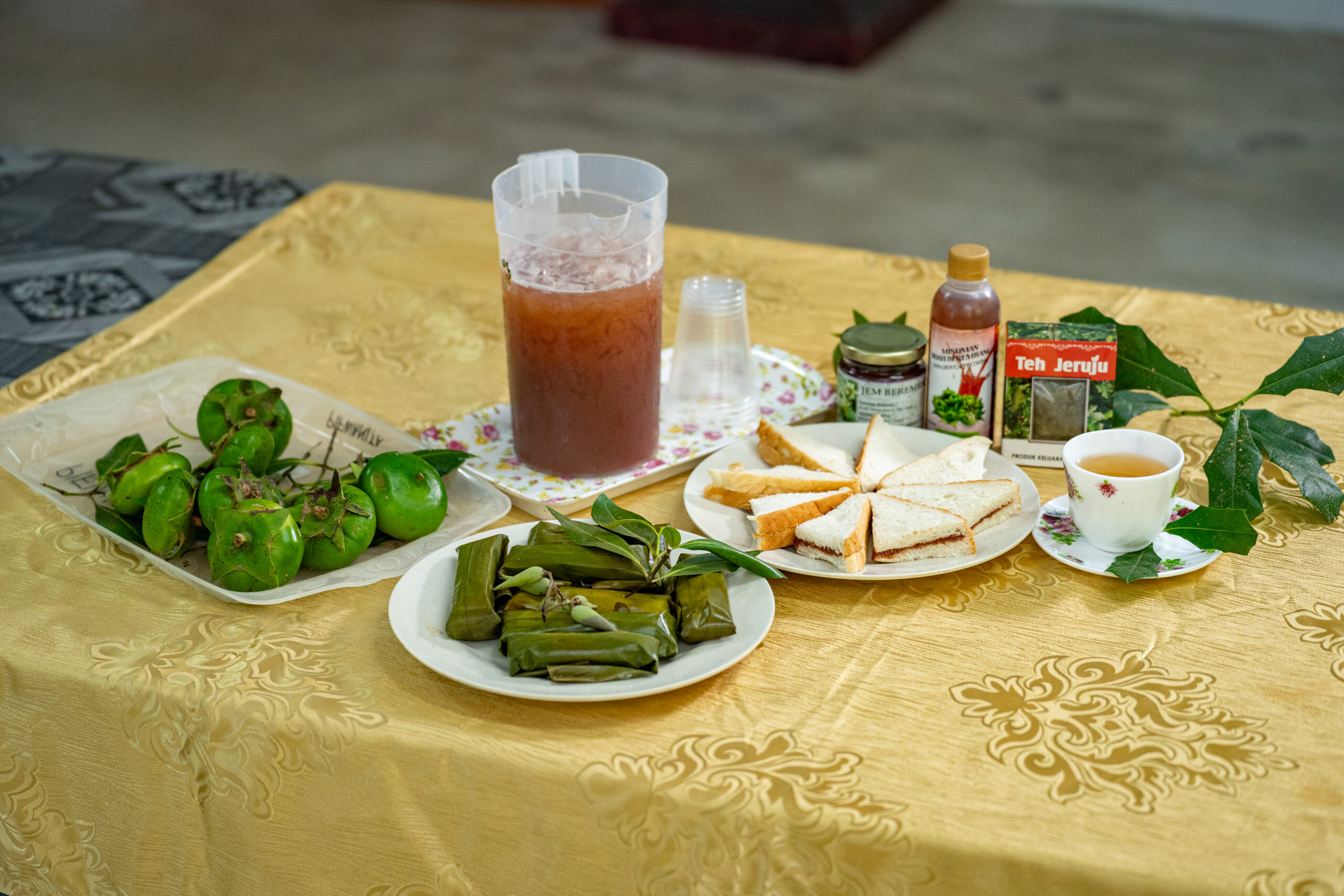
PIFWANITA turns mangrove fruit and leaves into food, showing that a healthy mangrove can also support a household income:
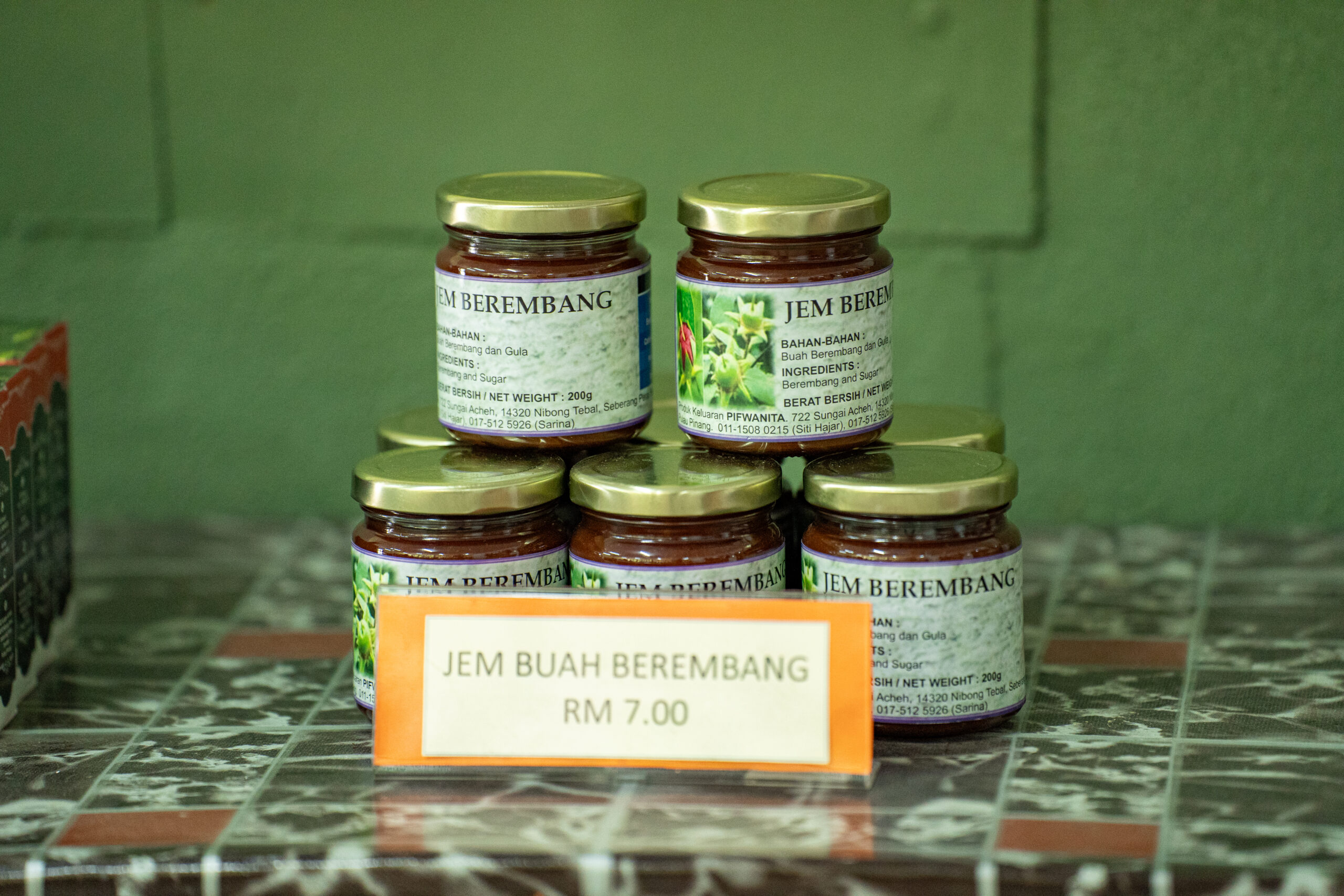
- Jem Buah Berembang: jam from the sour berembang fruit, eaten with bread. The jam’s syrup also makes Jus Buah Berembang.
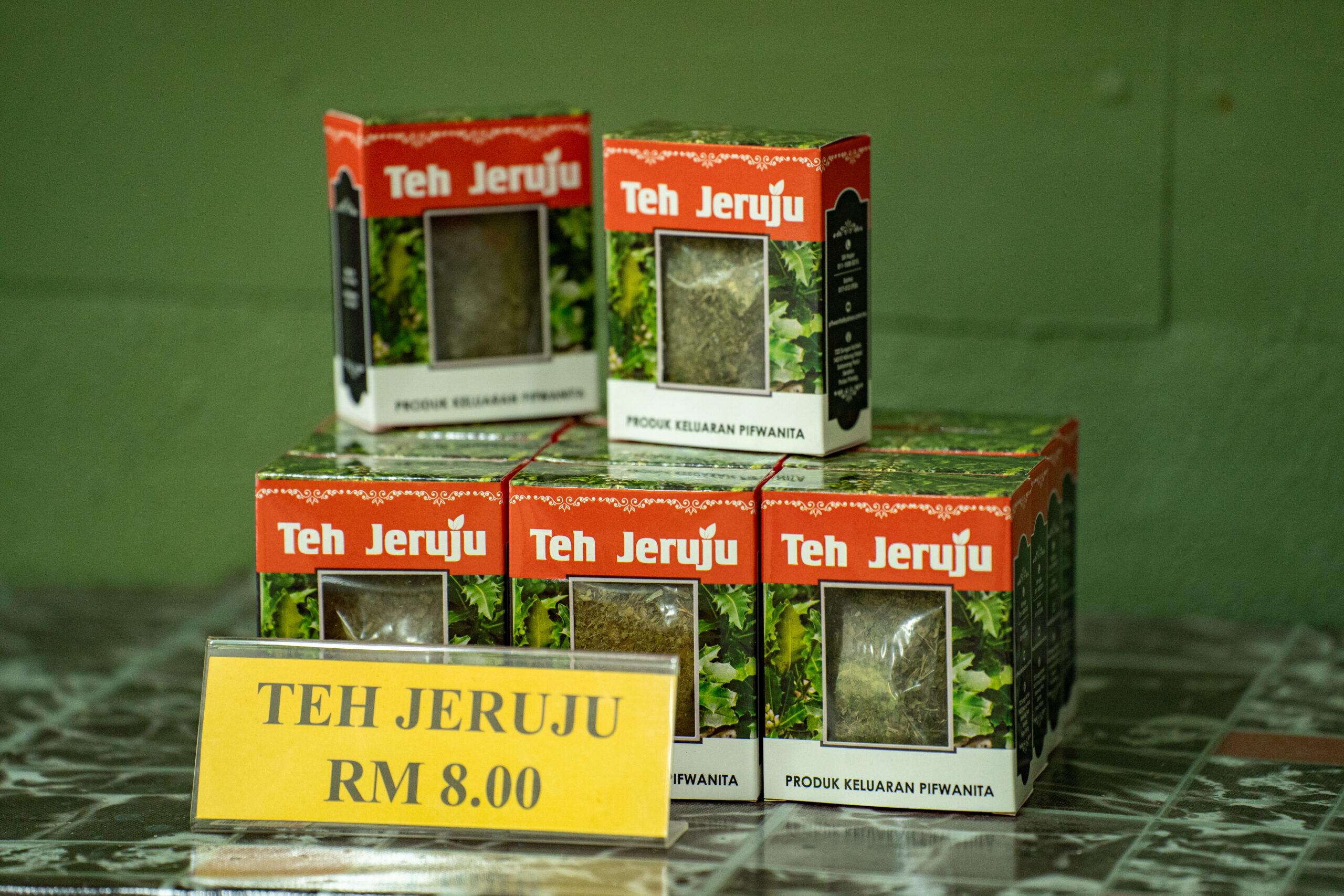
- Teh Jeruju: tea from dried jeruju leaves.
- Kuih lepat buah api-api: api-api seeds take the place of nuts in kuih and biscuits.
- Bubur buah berus: berus, tumu merah and tumu putih fruit taste like tubers and go into bubur, bengkang and kuih keria.
The products are sold at the Mangrove Education Centre, and the jam and tea can be posted in bulk. PIFWANITA also runs cooking demonstrations on request. The best months are July to September, when most mangrove trees are fruiting.
Mangrove species at the centre
Fourteen mangrove species are signposted along the centre’s trails:

Avicennia marina
Avicennia alba
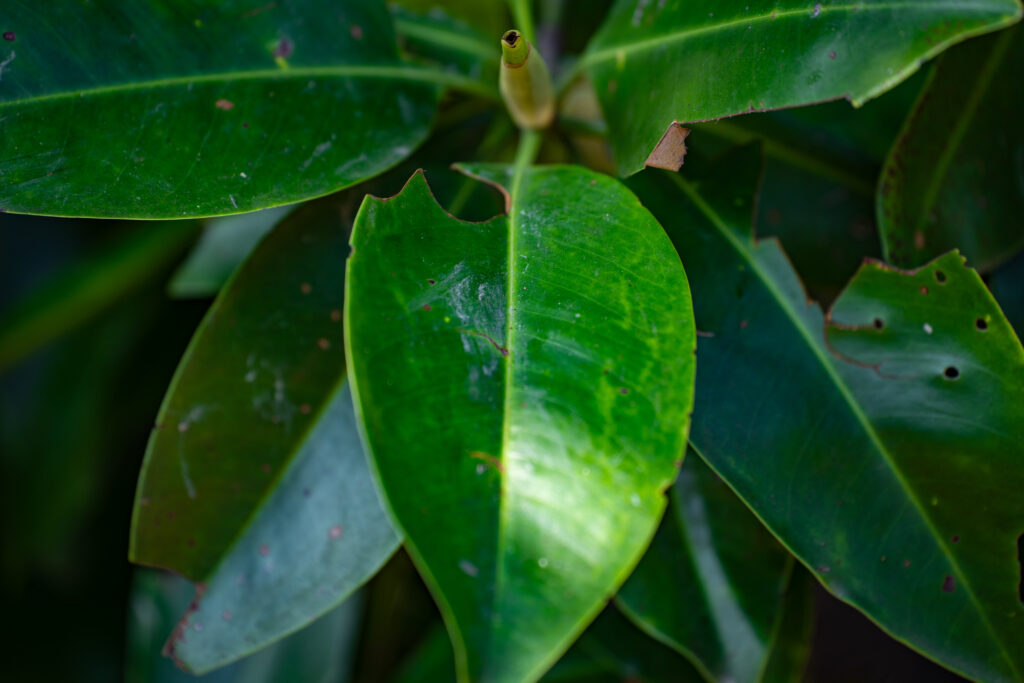
Rhizophora mucronata
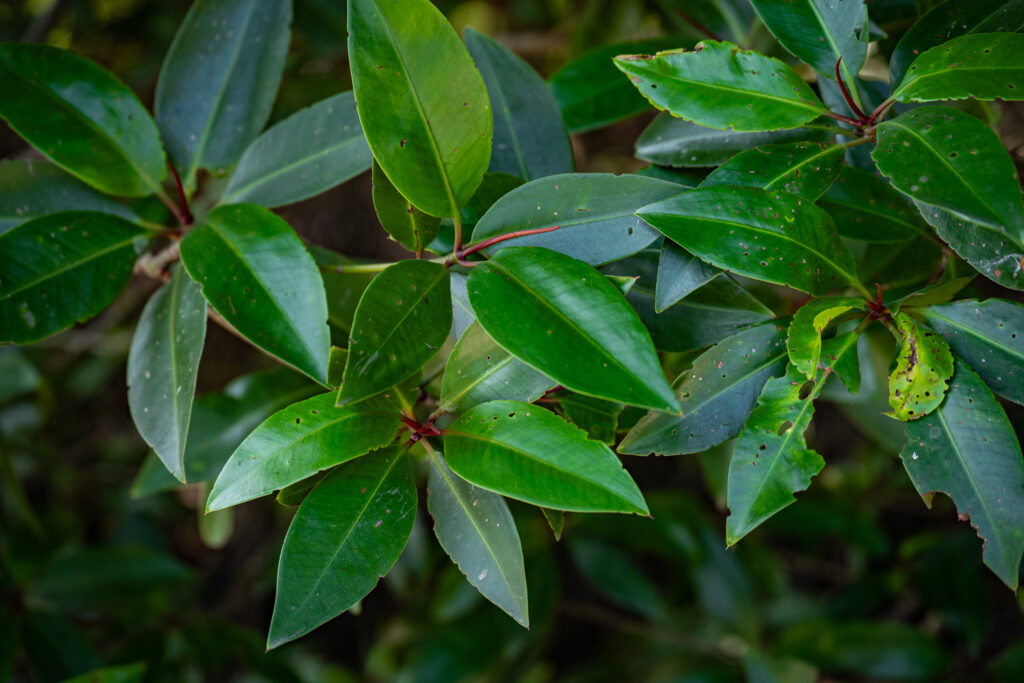
Rhizophora apiculata
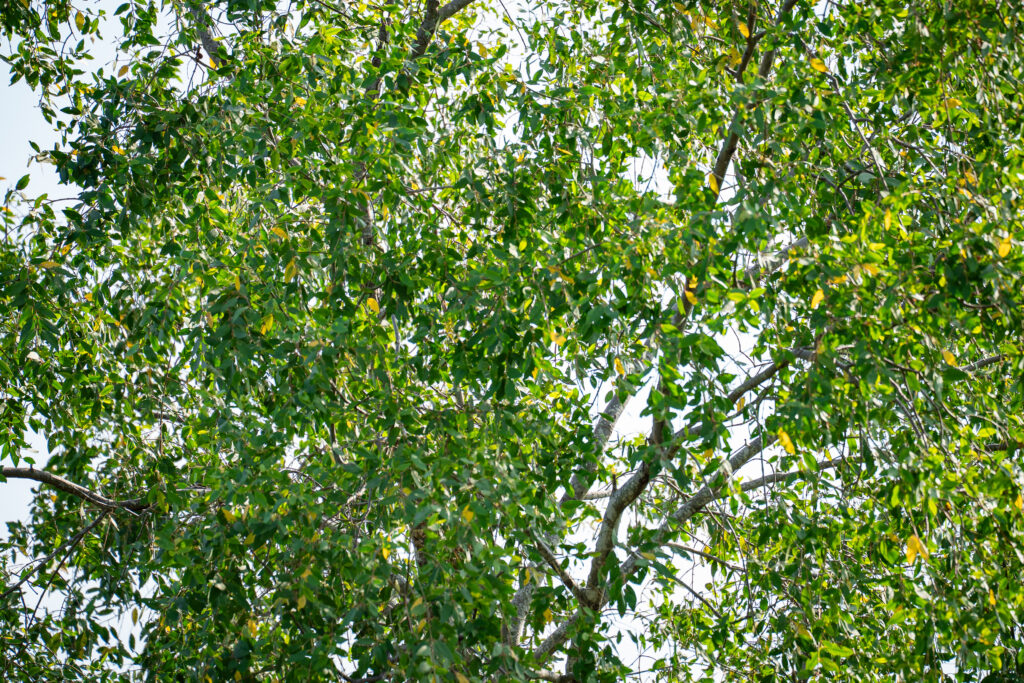
Sonneratia caseolaris
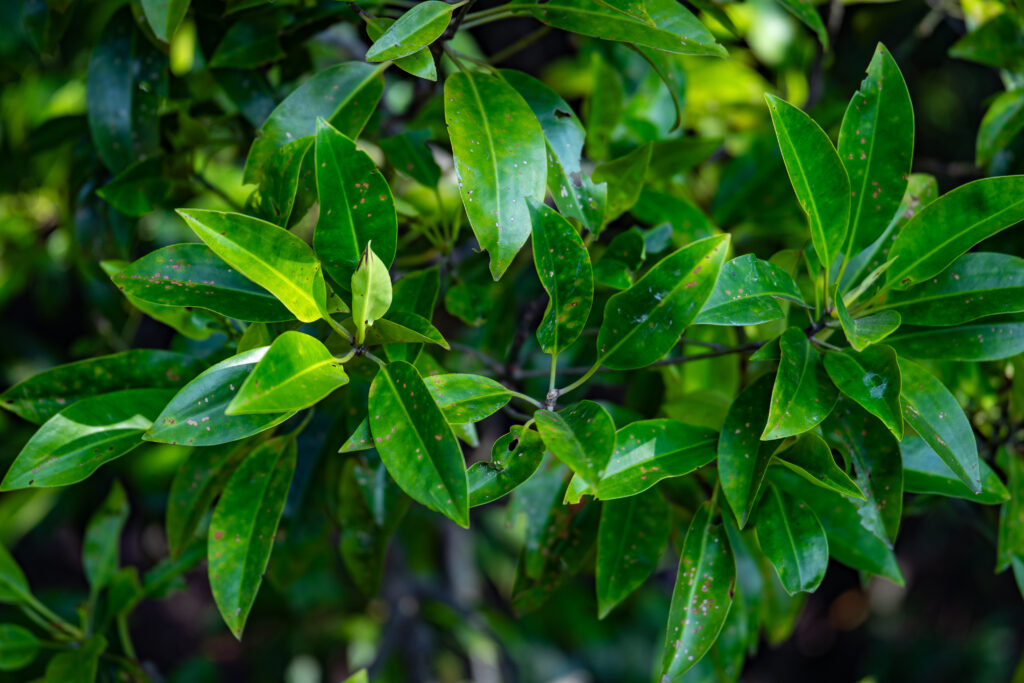
Bruguiera hainesii
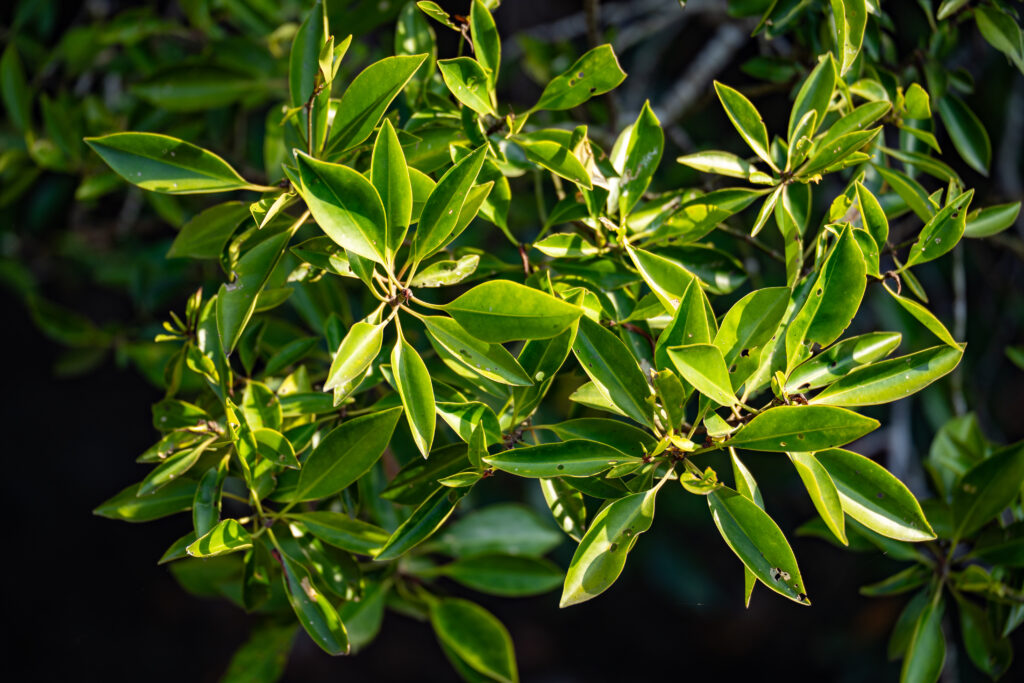
Bruguiera cylindrica
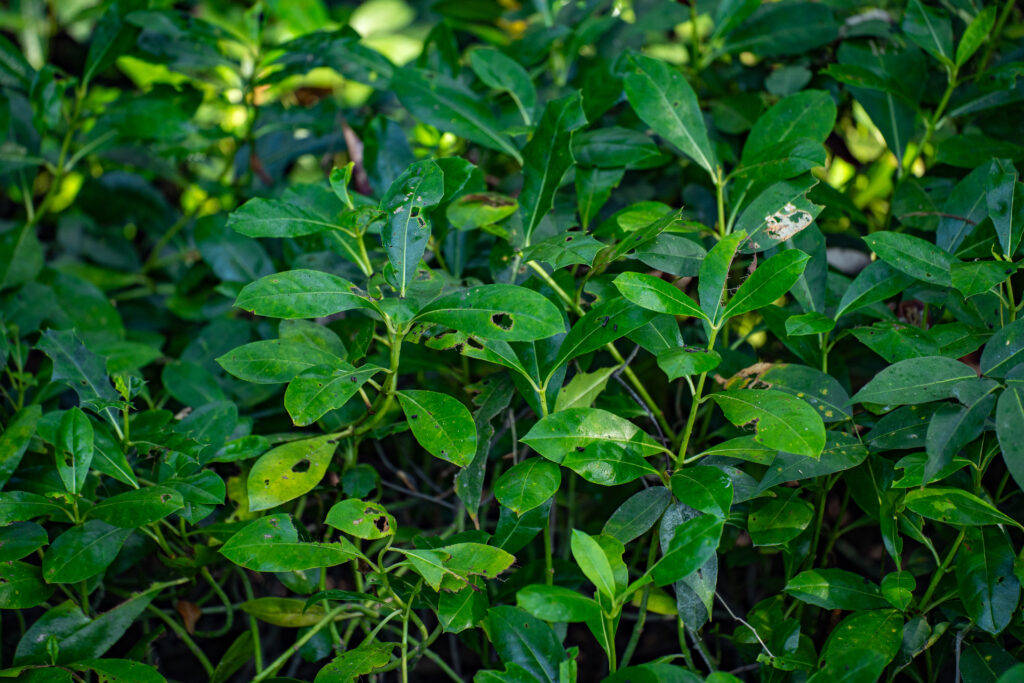
Acanthus ilicifolius
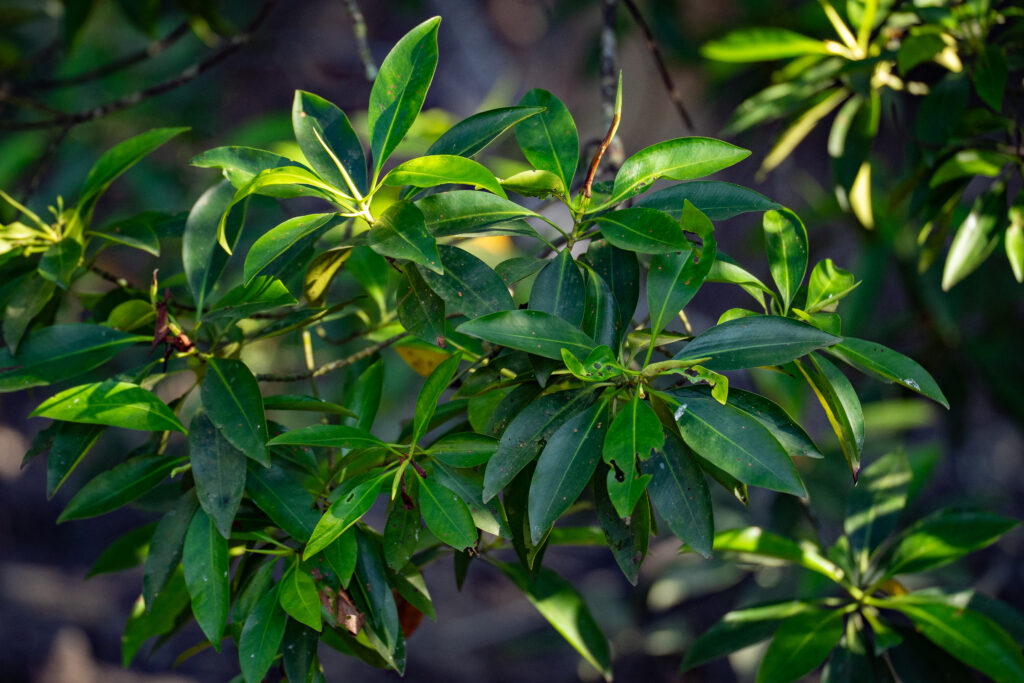
Bruguiera parviflora
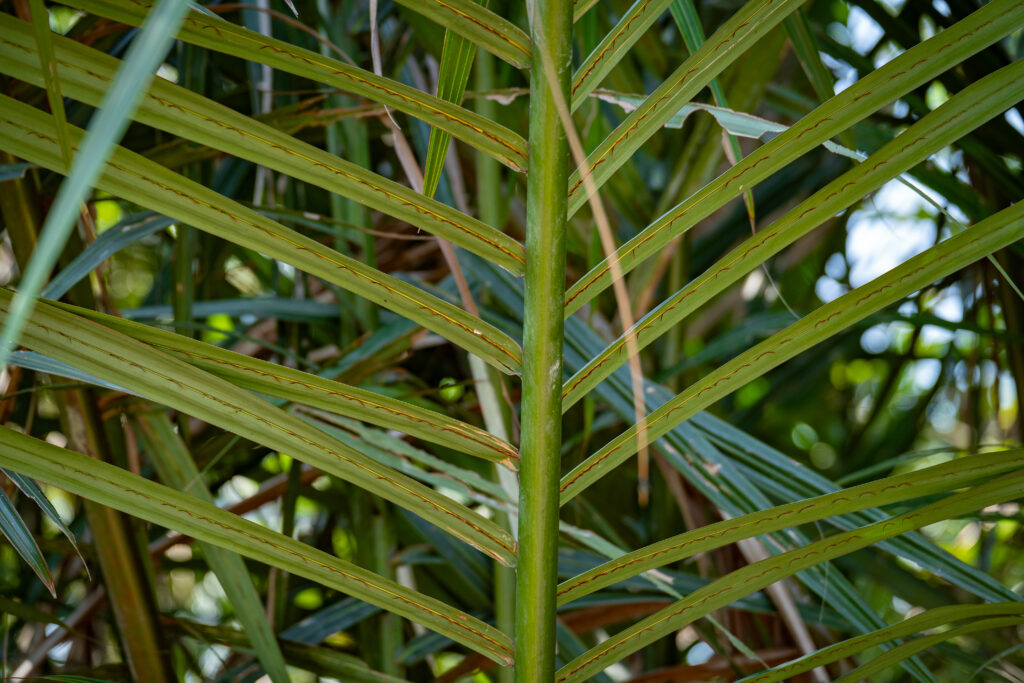
Nypa fruticans
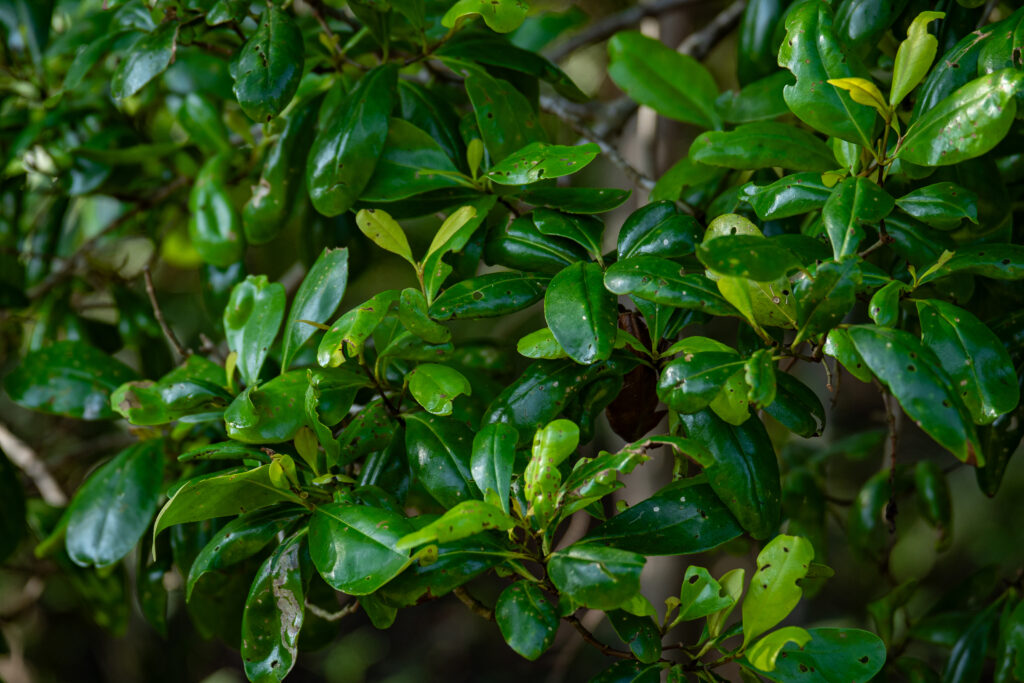
Xylocarpus granatum / X. moluccensis
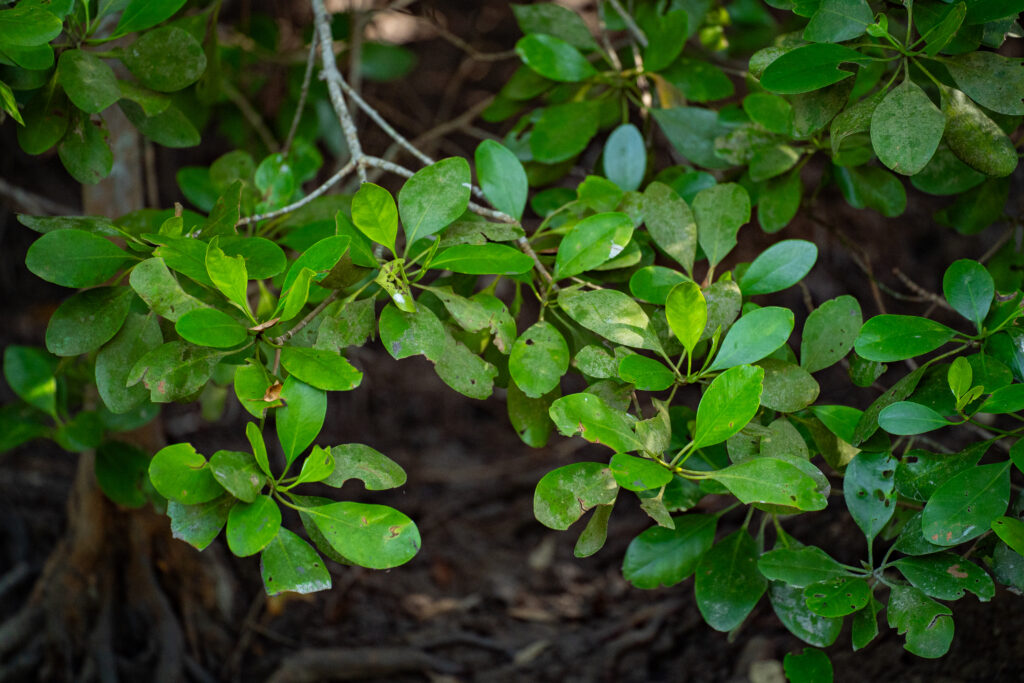
Ceriops tagal

Bruguiera gymnorhiza
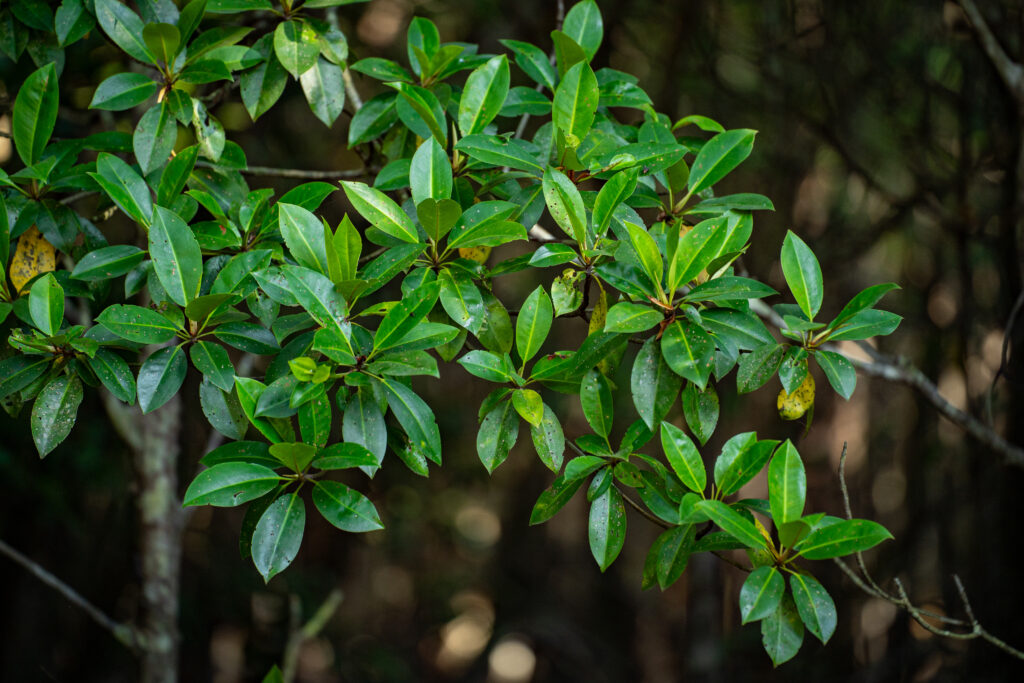
Bruguiera sexangula
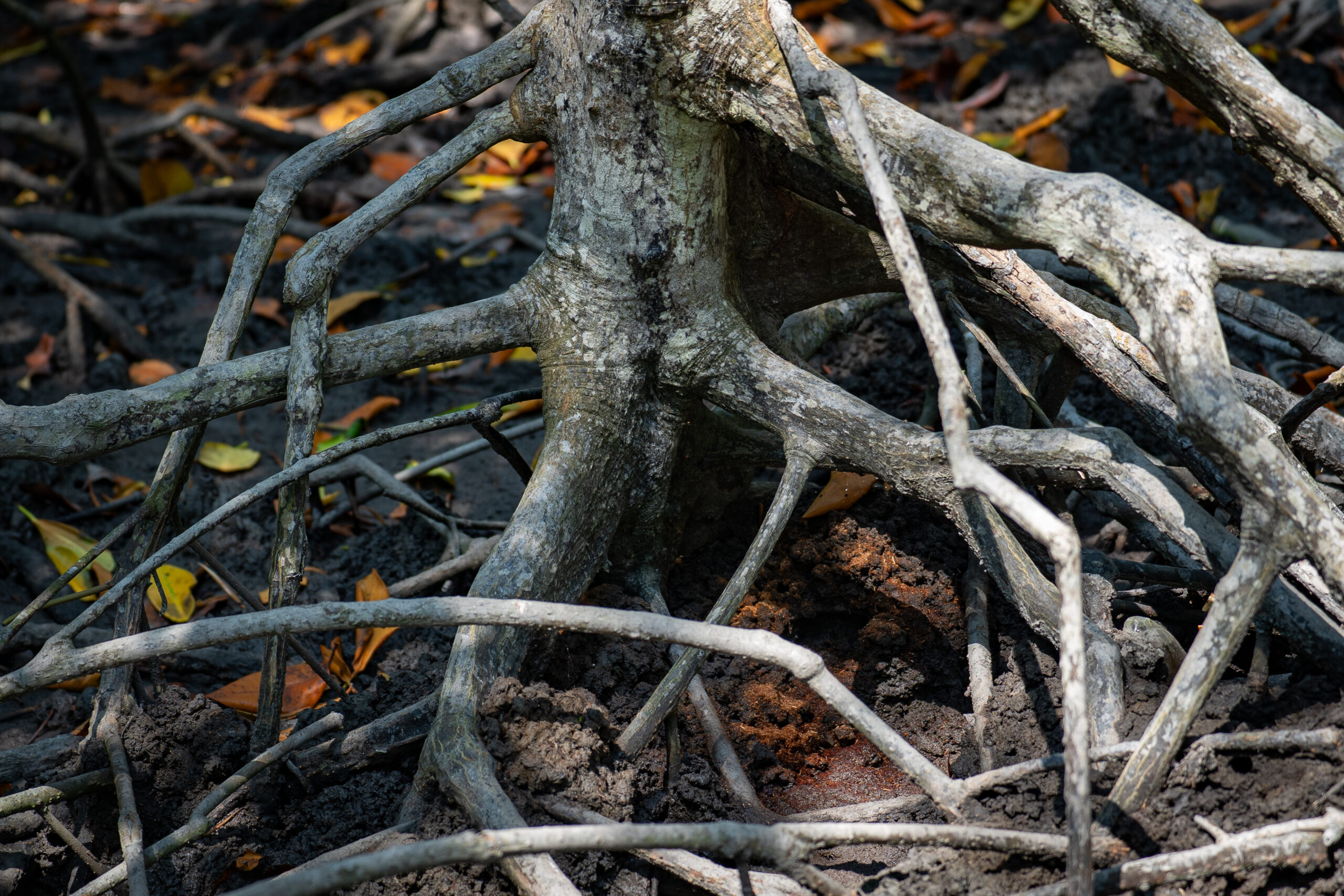
- Api-api jambu (Avicennia marina): Grey mangrove, with pencil-like breathing roots.
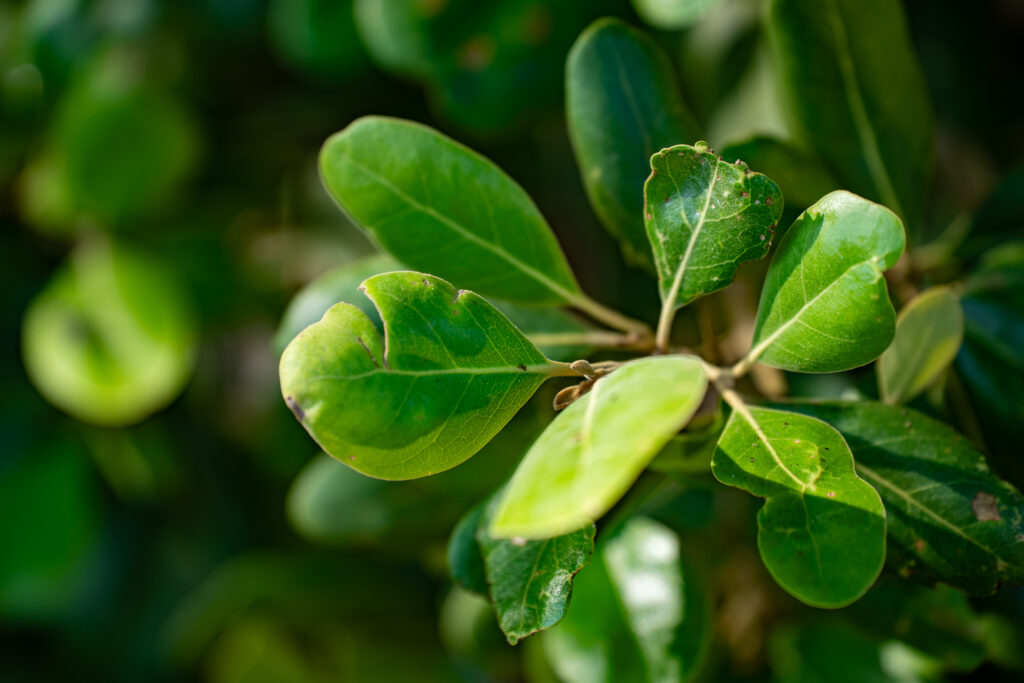
- Api-api putih (Avicennia alba): Its seeds are cooked into kuih lepat by PIFWANITA.
- Bakau kurap (Rhizophora mucronata): A stilt-rooted mangrove widely used in replanting.
- Bakau minyak (Rhizophora apiculata): Stilt roots and red-tinged leaf stalks.
- Berembang (Sonneratia caseolaris): Its sour fruit becomes PIFWANITA’s jam and juice.
- Berus mata buaya (Bruguiera hainesii): One of the rarest mangroves in the world.
- Berus (Bruguiera cylindrica): Its fruit tastes like tuber and goes into bubur.
- Jeruju putih (Acanthus ilicifolius): A spiny shrub whose dried leaves make Teh Jeruju.
- Lenggadai (Bruguiera parviflora): A slender tree with small flowers.
- Nipah (Nypa fruticans): The mangrove palm, found along tidal creeks.
- Nyireh bunga / nyireh batu (Xylocarpus granatum / X. moluccensis): Known for large, round, cannonball-like fruit.
- Tengar (Ceriops tagal): A small mangrove of the drier, landward zone.
- Tumu merah (Bruguiera gymnorhiza): Red flowers; its fruit is cooked like a tuber.
- Tumu putih (Bruguiera sexangula): A close relative of tumu merah, with paler flowers.
What PIFWA found hard
- Persuading people that mangrove fruit such as berembang jam and api-api lepat is safe and good to eat.
- Getting the public to keep rivers clean, which matters to fishermen who depend on healthy catches.
- Interesting young people in mangrove forests and their conservation.