
These are the survey results of the Sungai Juru Ecotourism Project. Six specialist teams worked across the Sungai Juru catchment and the Bukit Juru Permanent Forest Reserve, recording what lives there, what threatens it and how it can be protected.
Birds
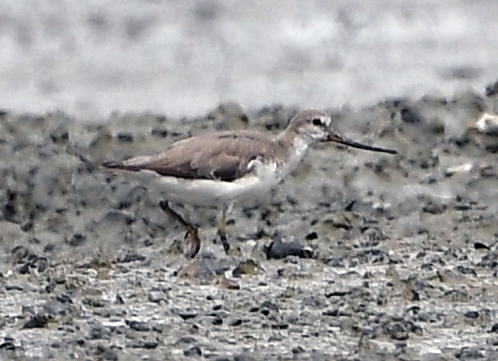
168 species: 122 resident and 45 migratory, with 17 recorded in Juru for the first time. Five are globally threatened or near-threatened: Black-capped Kingfisher, Eurasian Curlew, Curlew Sandpiper, Lesser Adjutant and Mangrove Pitta. A flock of more than 400 bee-eaters was seen crossing Bukit Juru on migration. Full checklist: Avifauna Survey of the Greater Juru Area.
Fish and water quality
The river is in Class III–IV under Malaysia’s water quality standards, with high ammonia and phosphate from sewage and agriculture and too little oxygen for healthy aquatic life. Only 18 species of fish and shellfish were found. The team recommends no dredging, closer work with Indah Water on sewage leaks, and using wetlands and mangroves as natural filters.
Plants
On Bukit Juru, trail widening, shortcuts and ornamental planting are fragmenting the forest; native orchids and shrubs survive only in small patches. Along the river, at least 14 true mangrove species and 6 associates were recorded, with the richest stands in the middle reaches and at Kampung Sungai Semilang. Recommendations include replanting native species, removing invasive plants and regulating trail use.
Insects
100 species, with butterflies the most abundant. The Vulnerable firefly Pteroptyx valida is still present at two jetties, though in very low numbers. Protecting mangroves and riverbanks is key to keeping it.
Reptiles and amphibians
The first inventory for Sungai Juru: 132 individuals of 23 species (9 amphibians, 14 reptiles), including the Malayan Box Turtle and Black Marsh Turtle. More species are likely to be found with further surveys.
Mammals
14 species, including the Endangered Silvered Langur, the Vulnerable Sunda Slow Loris and Smooth-coated Otter, and the Near Threatened Dusky Langur and Black Giant Squirrel. Quarrying, free-roaming cats and dogs, and open burning are the main pressures.
