
Why forest birds
Seberang Perai is best known for the shorebirds on its coast, but its remaining forests hold a very different community of birds, from hornbills and broadbills to woodpeckers and raptors. As towns grow around them, these forests need a clear record of what lives there. This project, led by Pertubuhan Kelestarian Ekosistem Alam (NEST) with the Malaysian Nature Society and the Shorebirds Peninsular Malaysia Project, set out to make that record and to build local interest in protecting it.
What the survey found
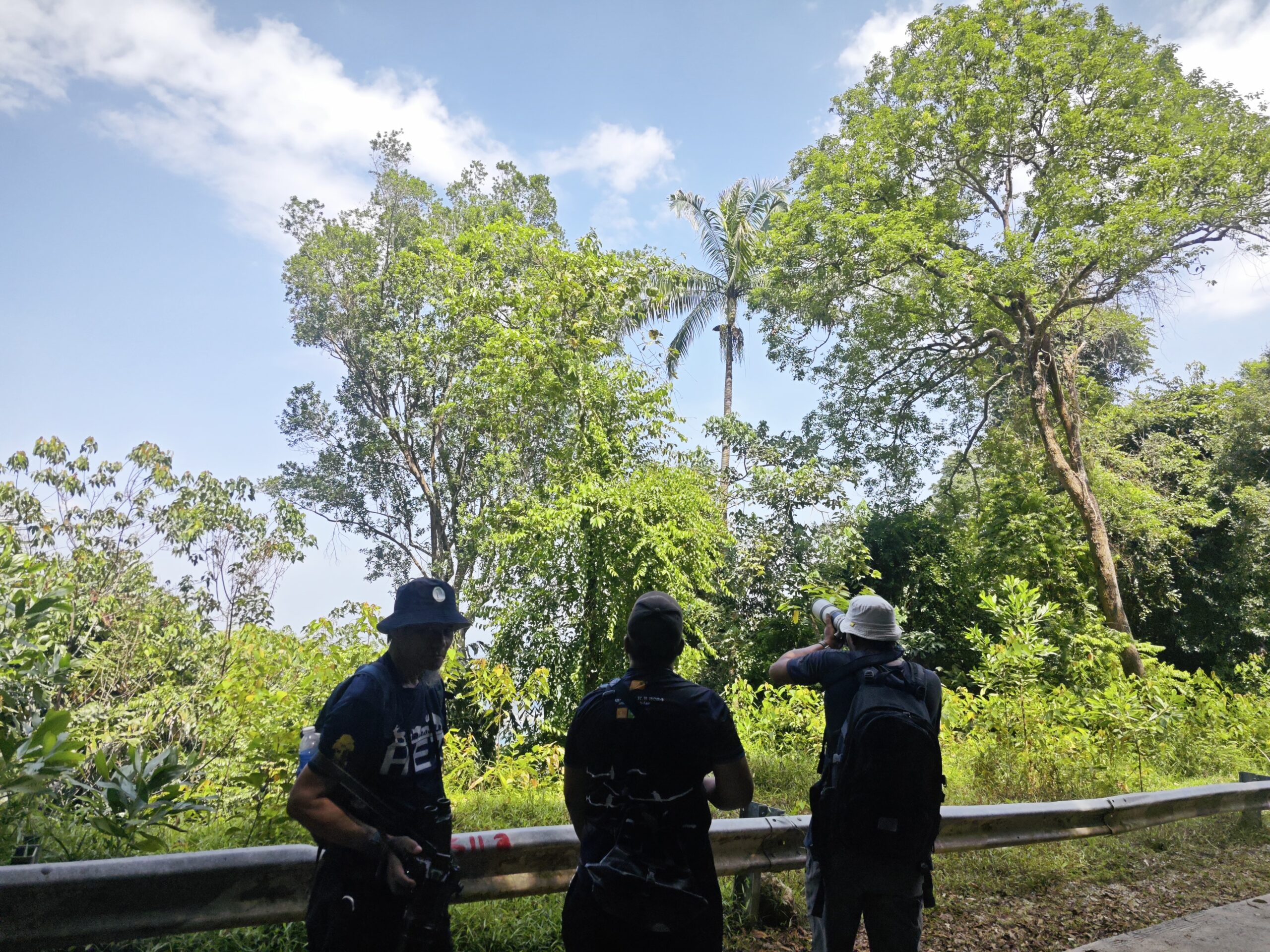
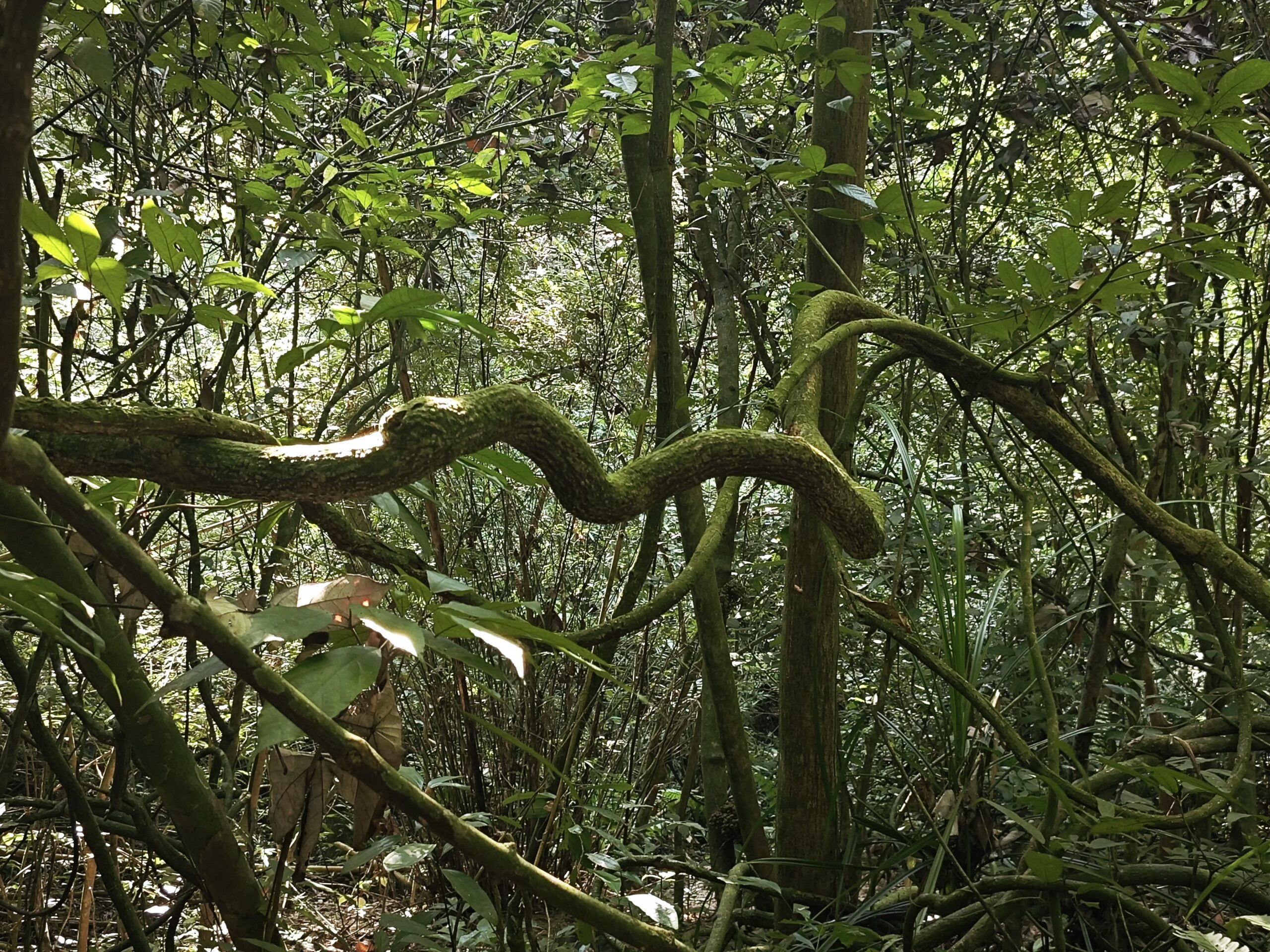
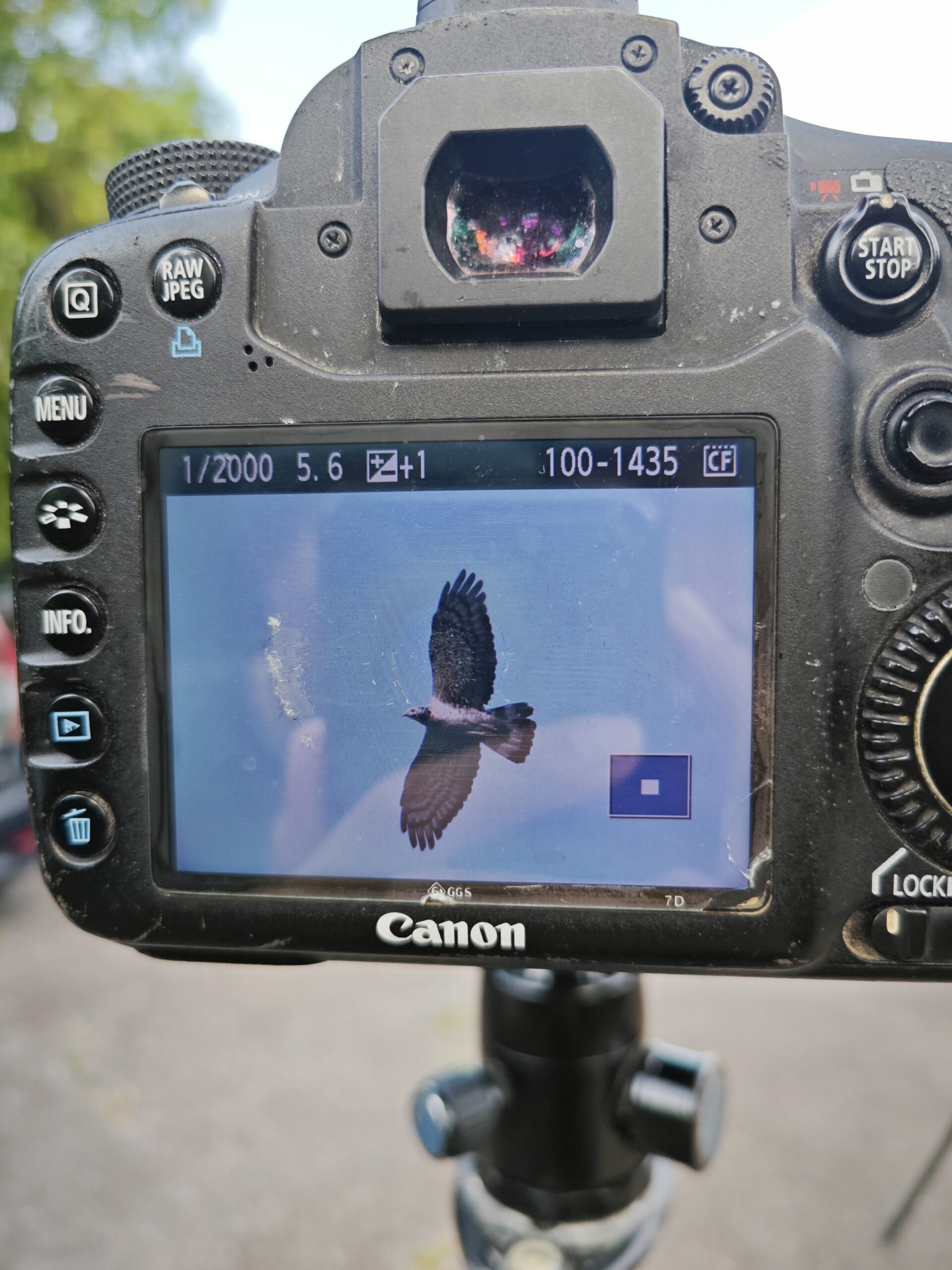
Between January and June 2025, 15 surveyors visited three forests, one in each district of Seberang Perai, using point counts, transects and night surveys. Together they recorded 143 bird species from more than 50 families:
- Air Hitam Dalam Educational Forest (Seberang Perai Utara), a peat swamp forest: 80 species.
- Bukit Mertajam Forest Park (Seberang Perai Tengah), secondary hill forest: 68 species.
- Bukit Panchor State Park (Seberang Perai Selatan), lowland dipterocarp forest: 70 species.
The full results, site descriptions and species checklist are in the Forest Birds of Seberang Perai survey report.
Training the next birders
On 3–4 May 2025, 60 participants from universities, NGOs, the Forestry Department, PERHILITAN, nature guides and tour operators joined a two-day Avian Biology Exploration workshop at Cheruk To’kun, Bukit Mertajam, with guided birdwatching, binocular and eBird training and expert talks. Before the workshop just over half rated their birding knowledge at 20% or less; afterwards nearly nine in ten rated it above 40%. 97% said they support bird conservation, and 92% were interested in bird apps and eco-tourism tools.
What it produced
- A Birds of Seberang Perai pamphlet, reviewed by experts, for schools, visitors and guides.
- A checklist of the forest bird species recorded at each site.
- A short documentary, Whispers of the Feather, on Seberang Perai’s birds and the people who watch them.
- Recommendations for birding signage, trained local guides, QR-code visitor tools and wider awareness of Important Bird Areas.