
Turning teachers, students and the public into citizen scientists
The mudflats and mangroves of Teluk Air Tawar – Kuala Muda (TAT–KM) are a Key Biodiversity Area and one of the most important stops for migratory shorebirds on the west coast of Peninsular Malaysia. Program Citizen Scientist 2.0 brought three groups out to these wetlands to learn how to observe and record wildlife themselves: teachers, secondary school students, and university students and the public.
Series 1: teachers
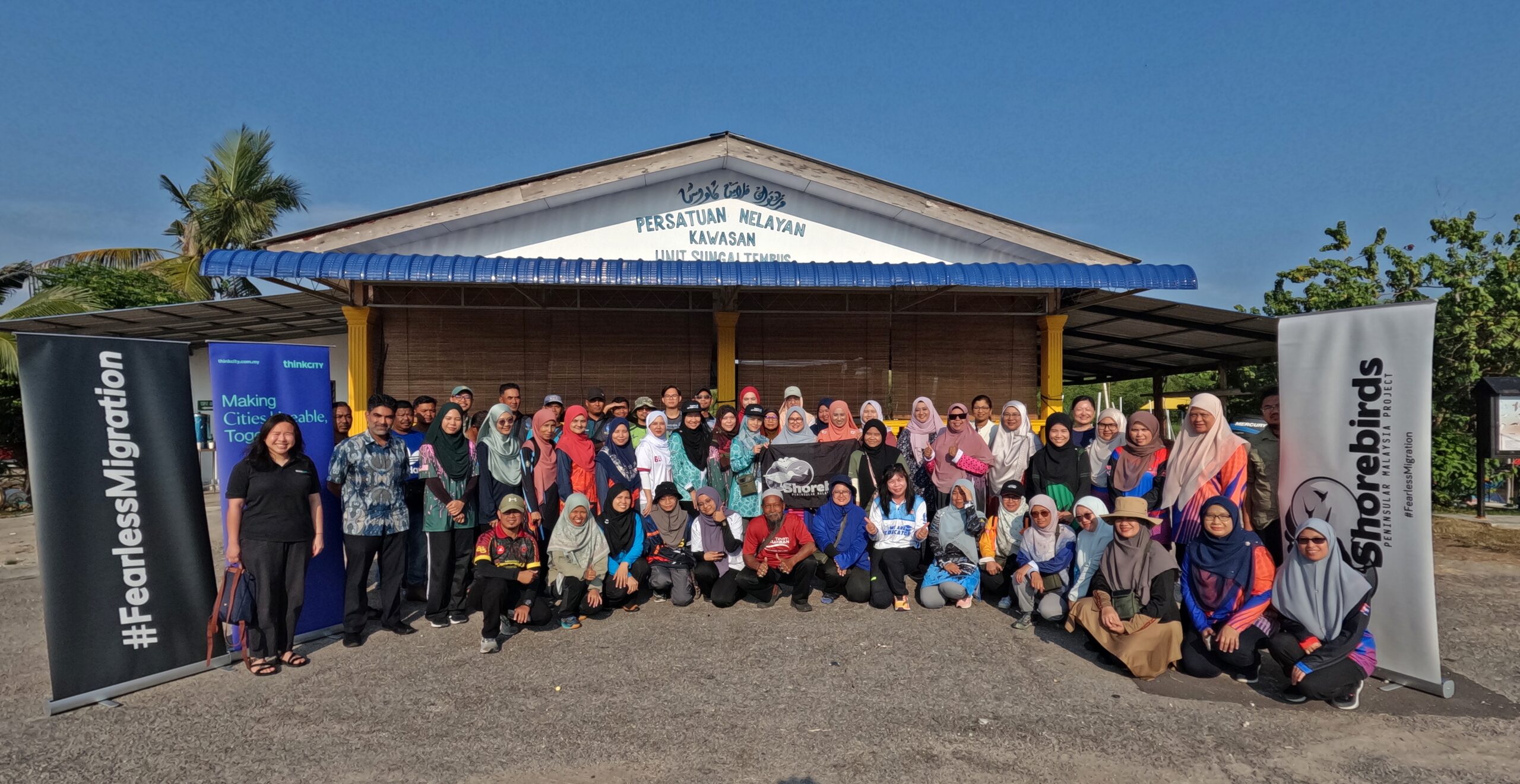
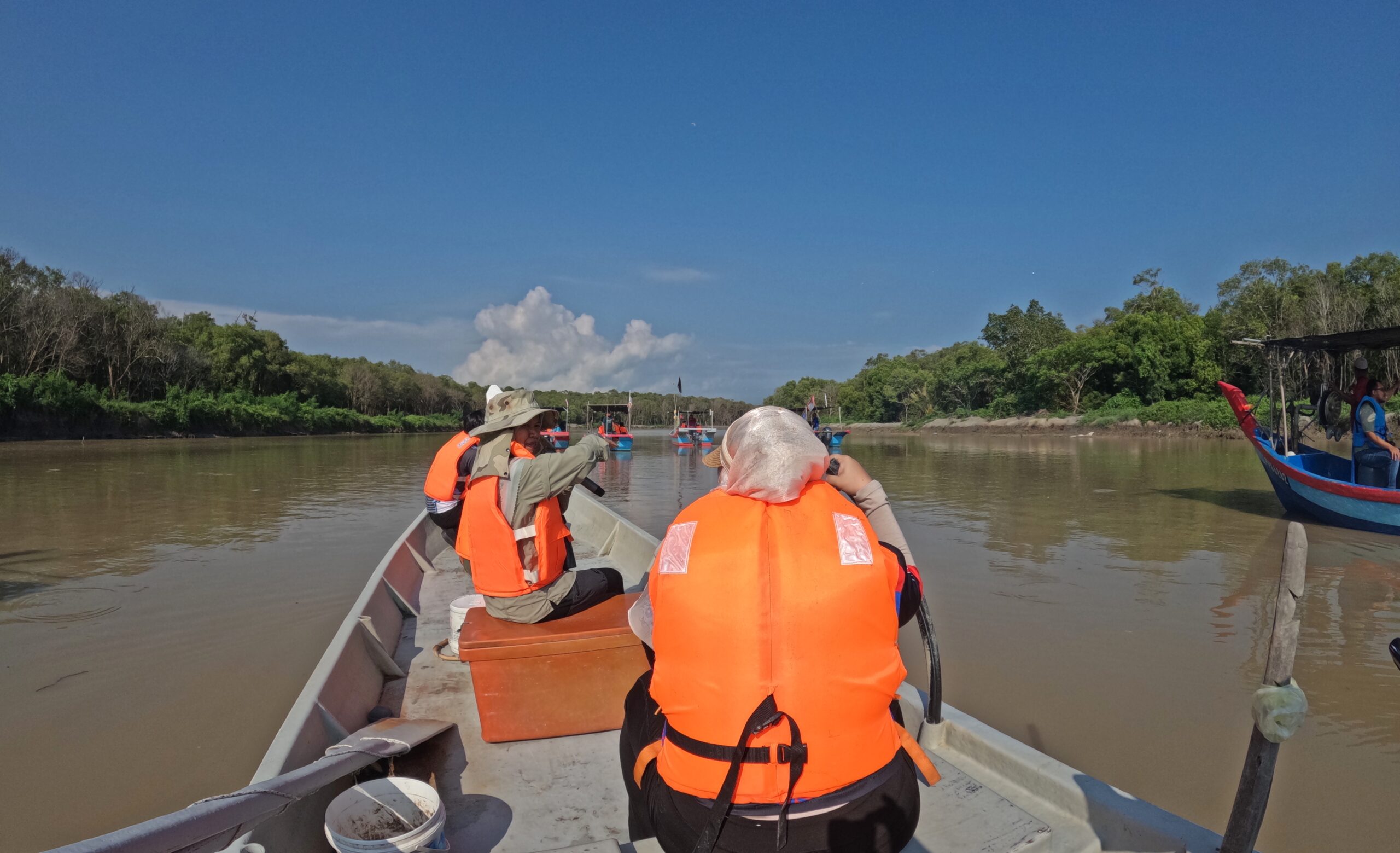
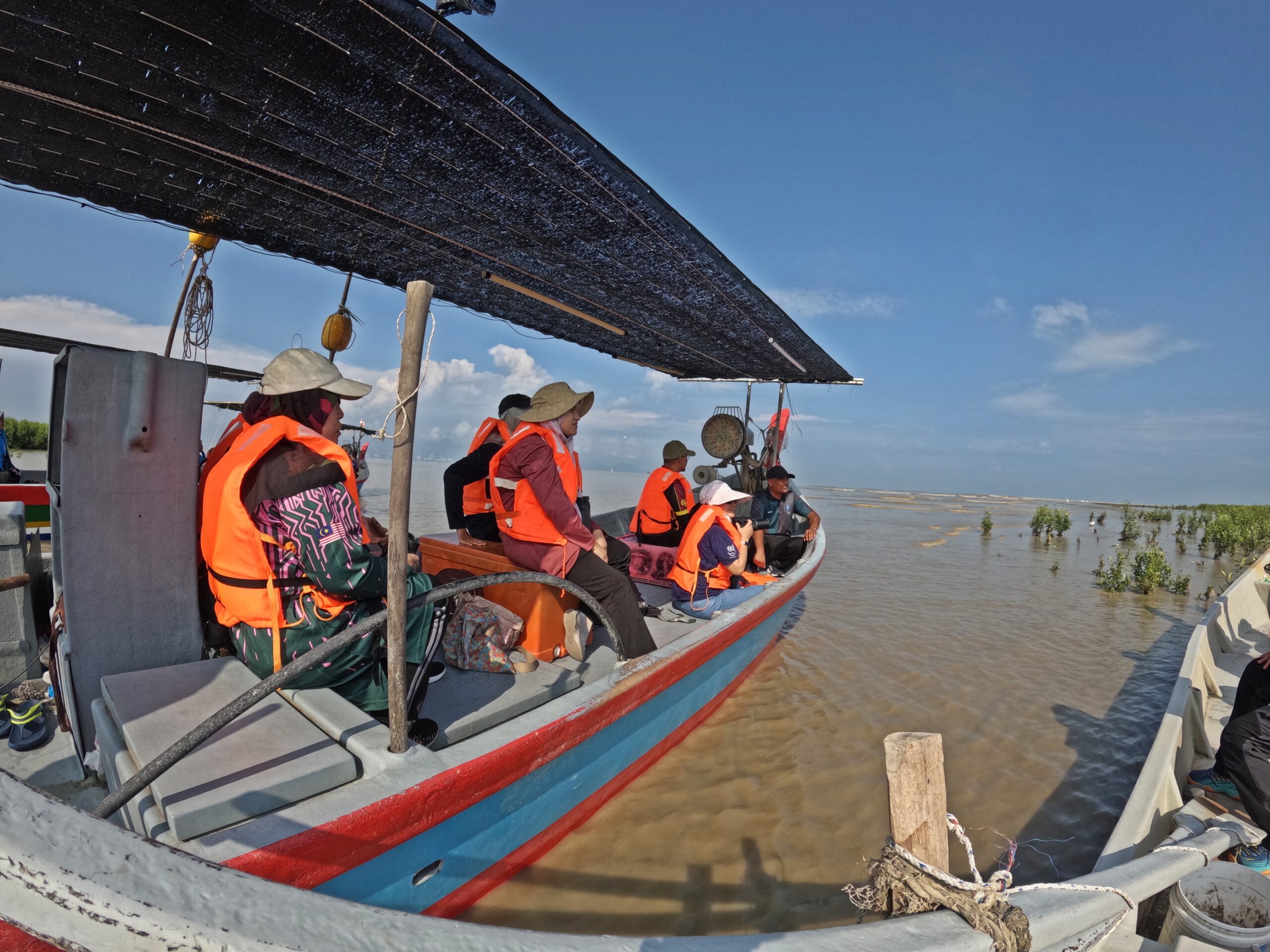
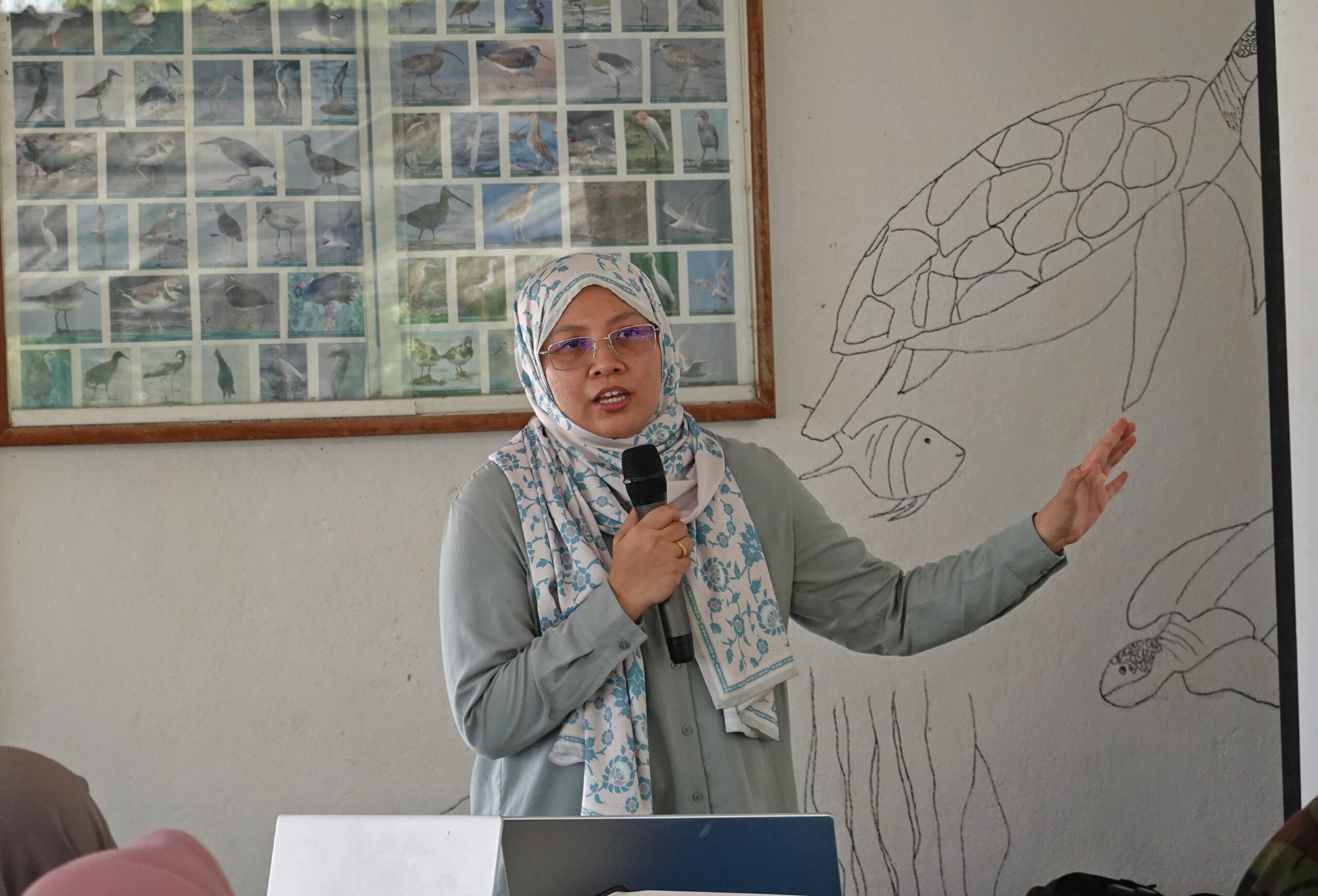
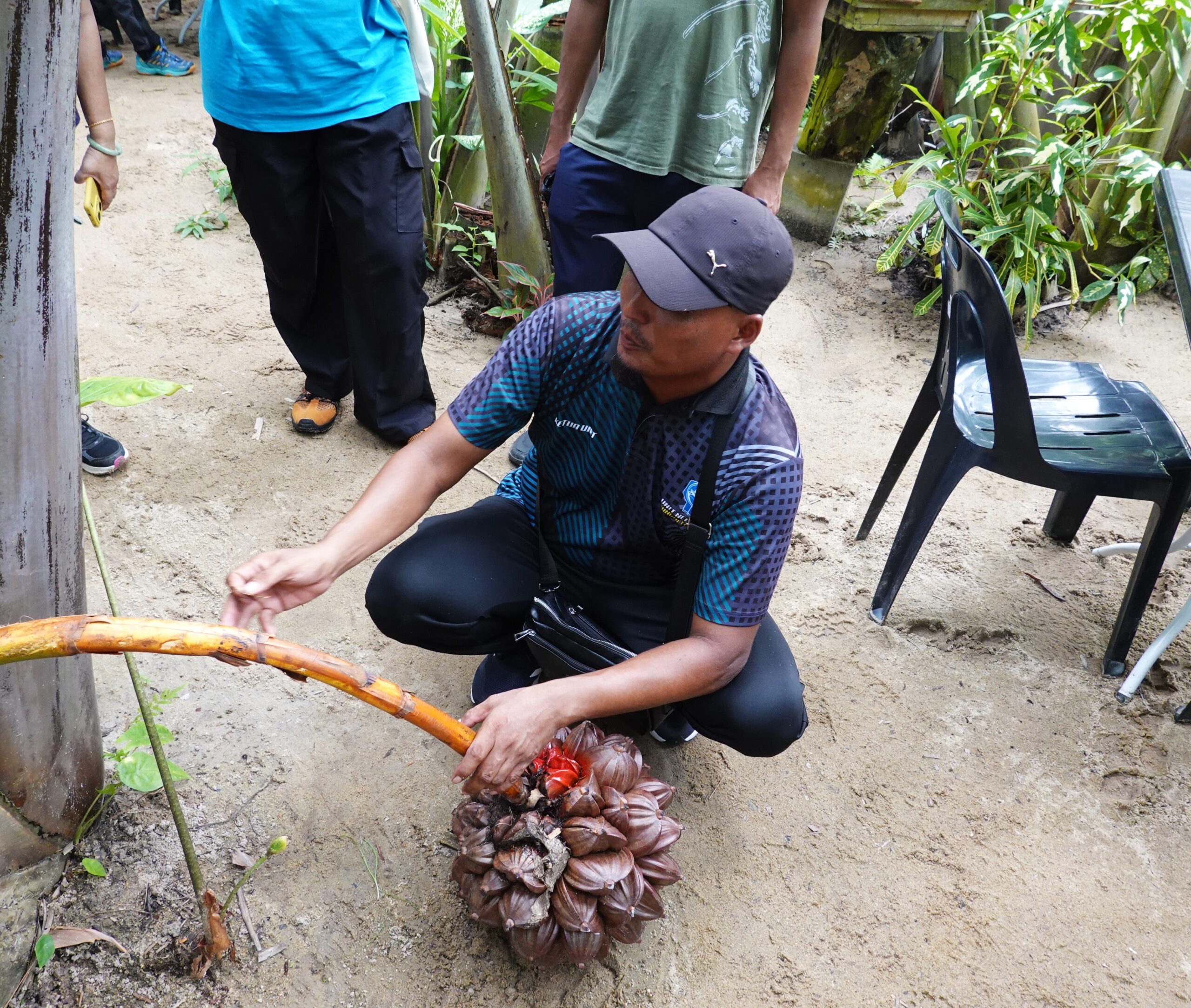
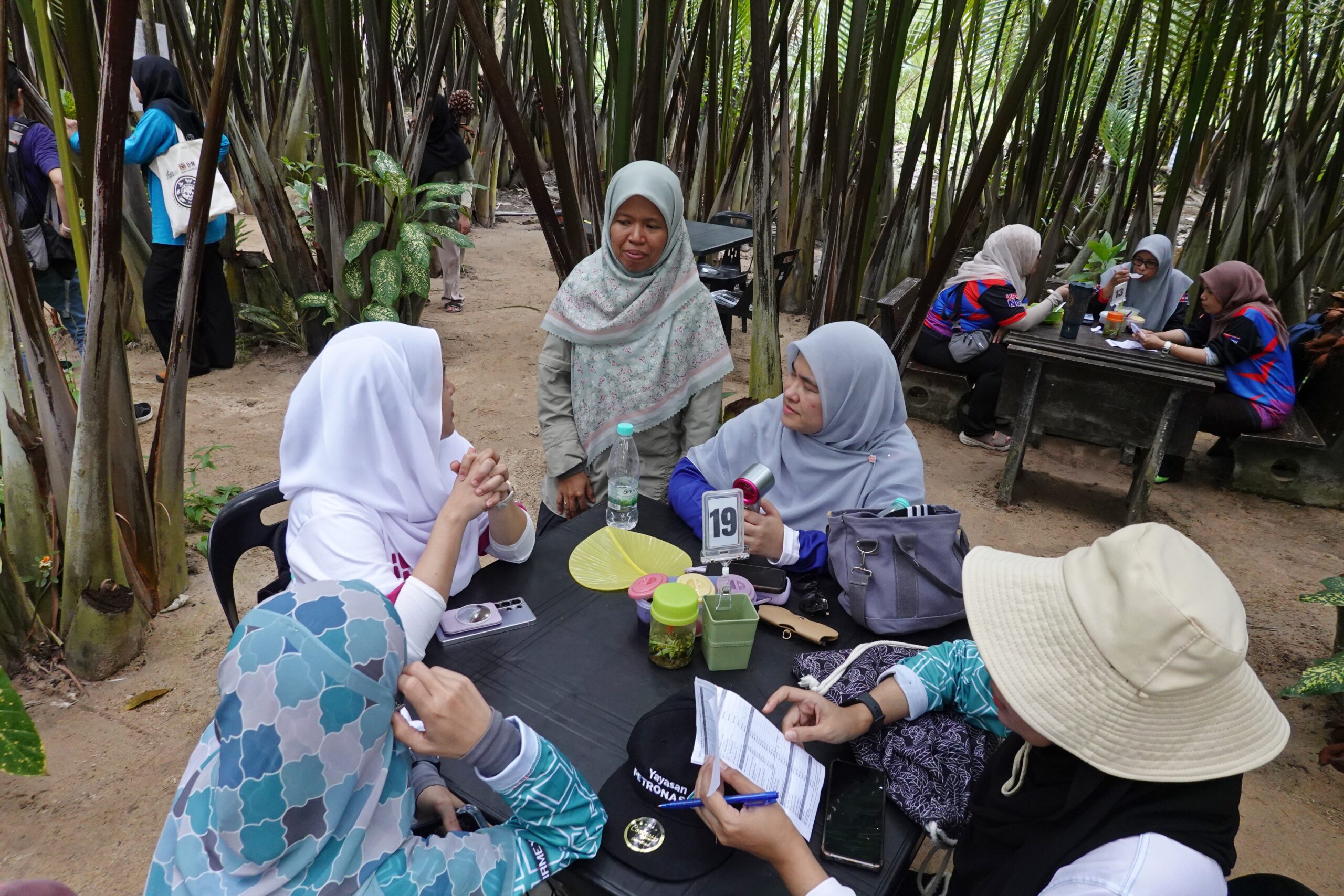
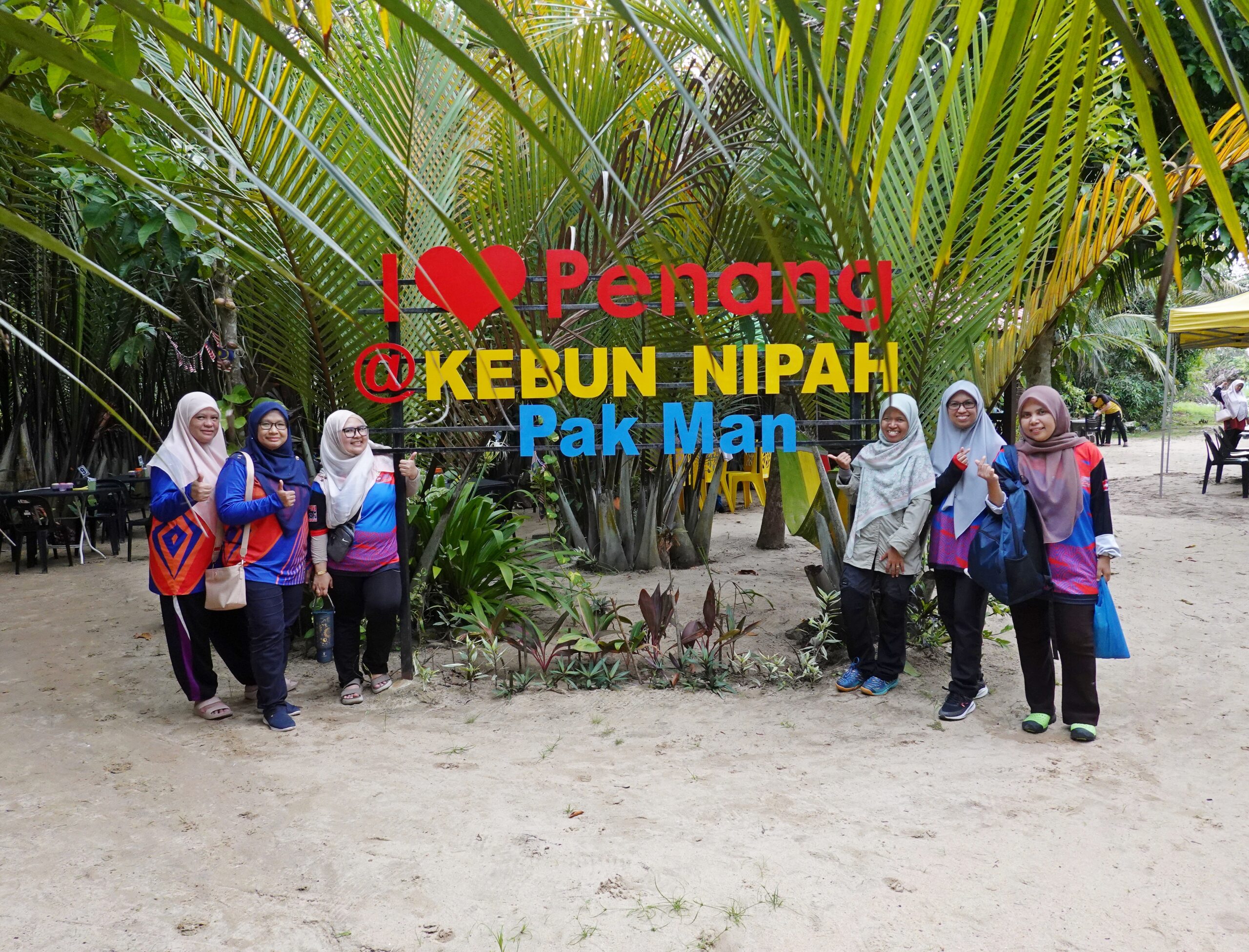
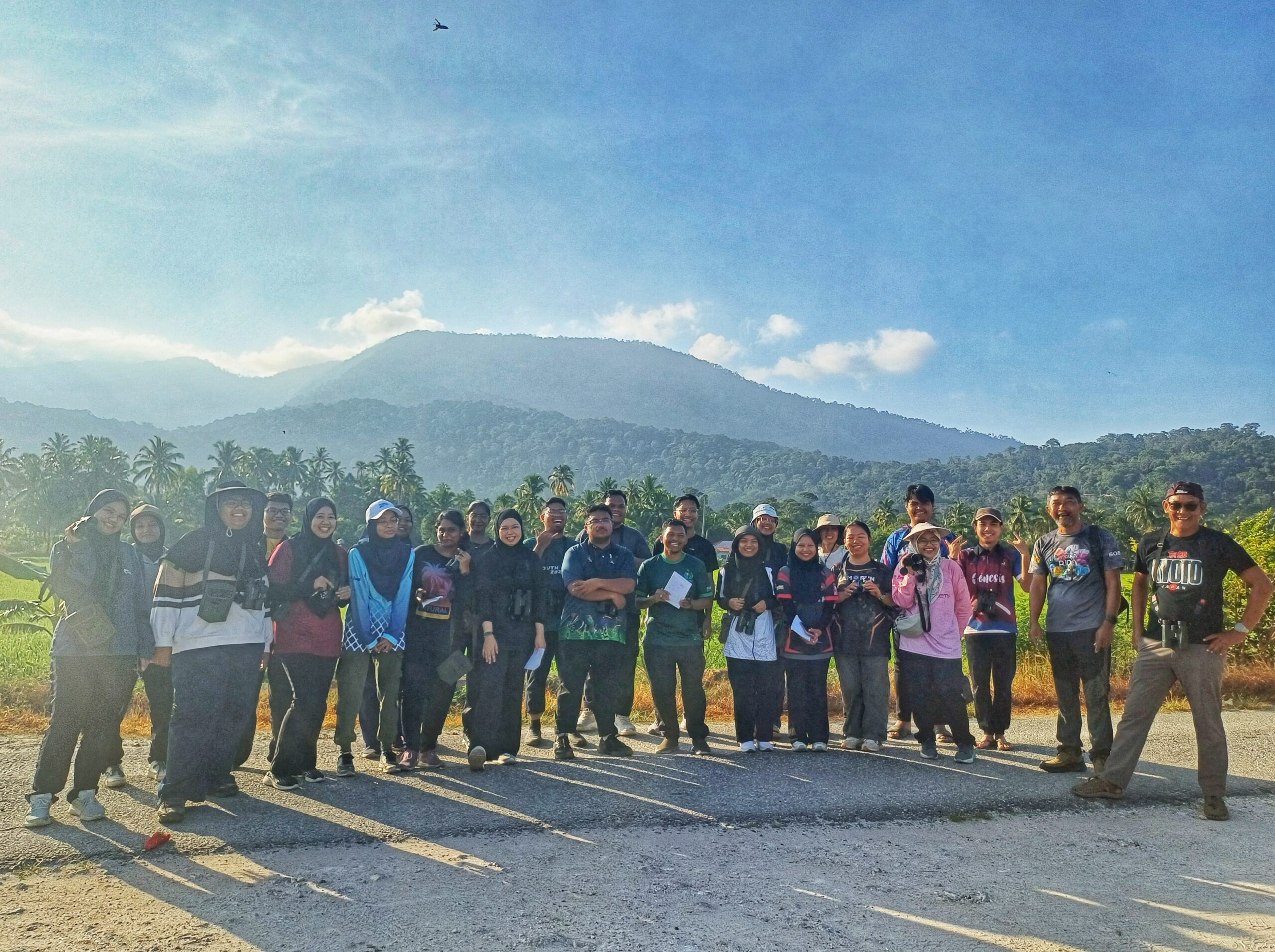
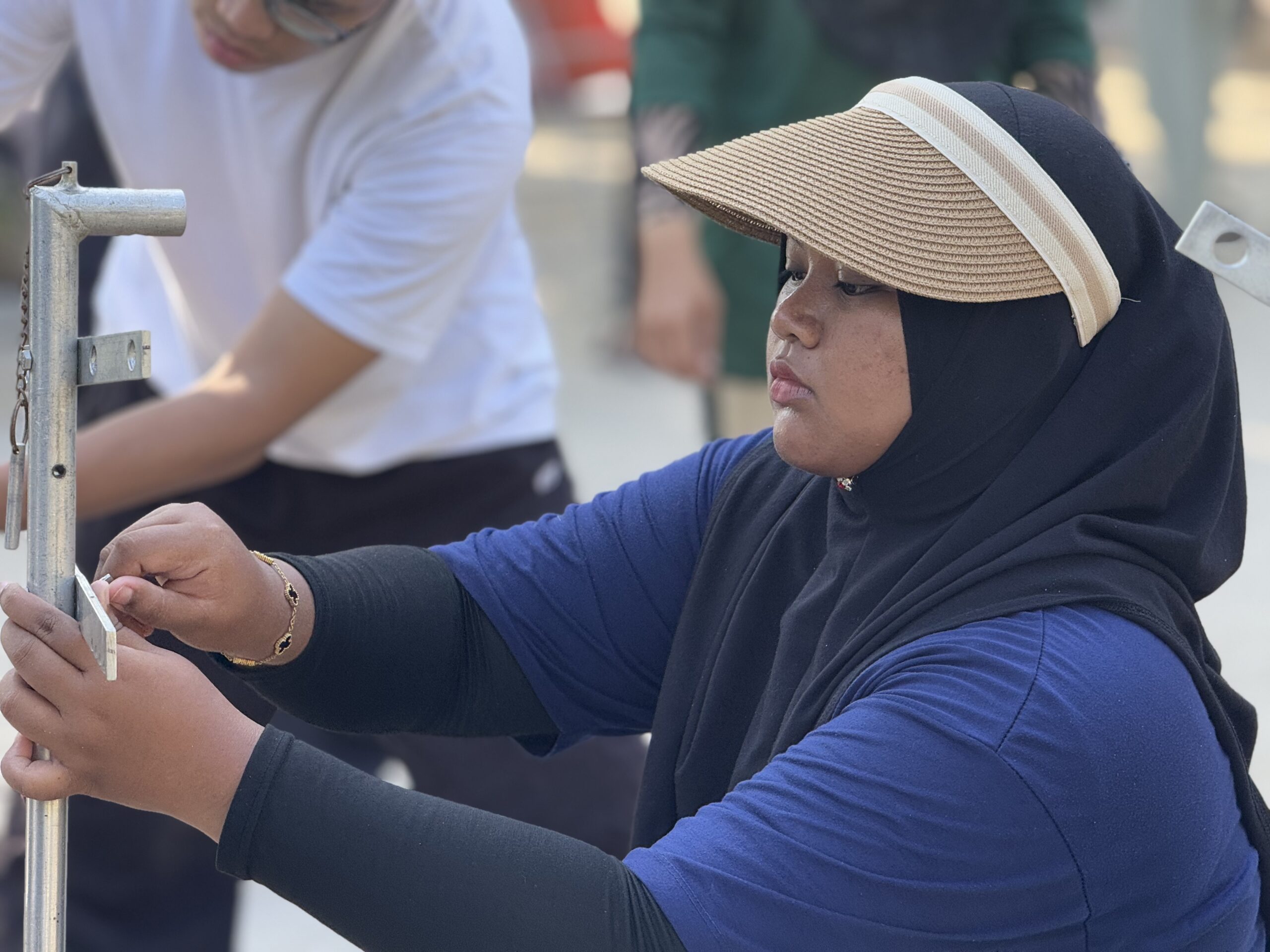
On 26 April 2025, 30 science and biology teachers from across Penang spent a day at the fishermen’s hall in Sungai Tembus, Penaga. They learned about wetland and mangrove ecosystems and migratory shorebirds, went out by boat to watch birds, visited Kebun Nipah Pak Man, and practised citizen-science methods for recording what they saw, so they can bring wetland ecology into their own lessons.
Series 2: Ekologi Junior
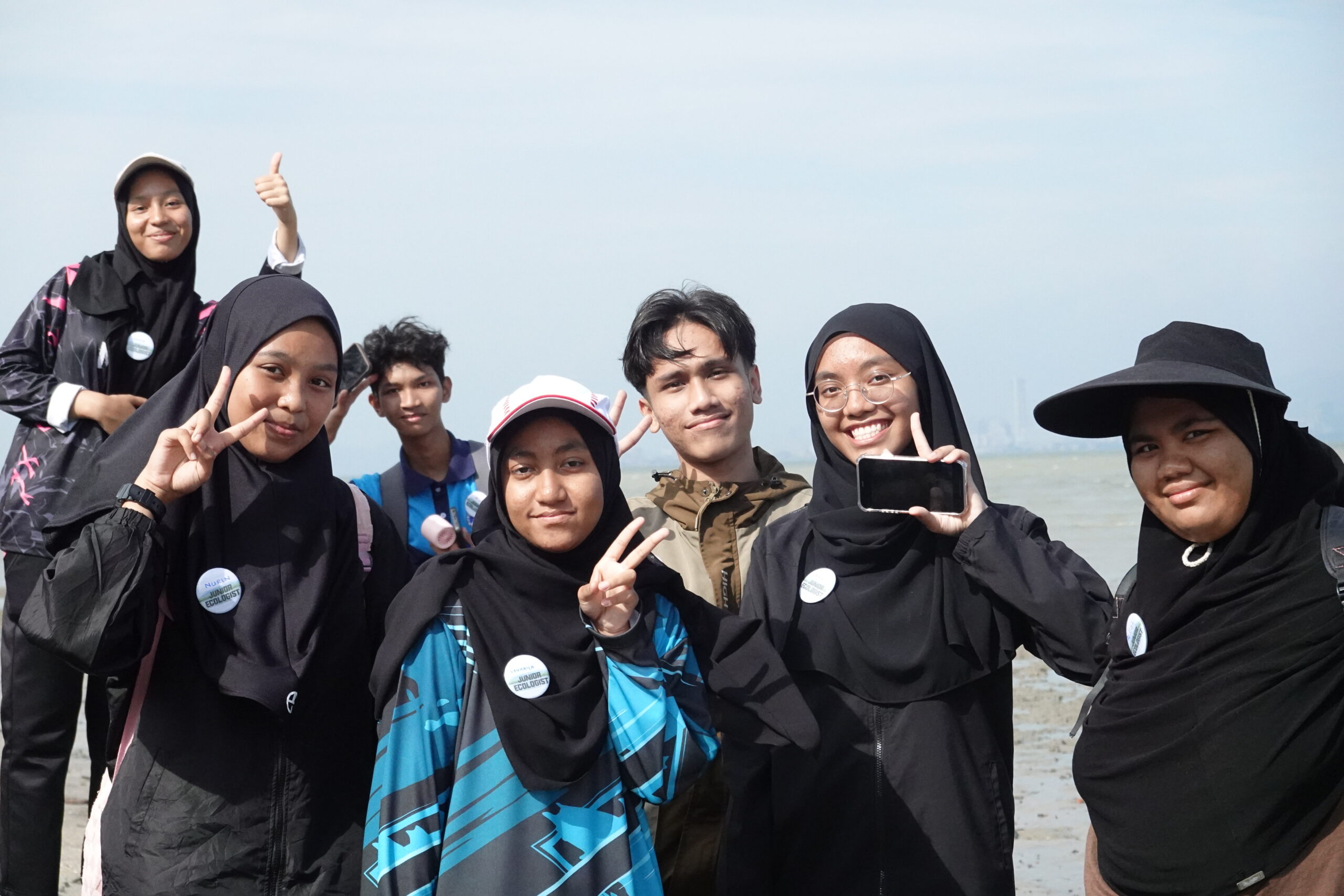
On 1 June 2025, 39 Form 3 to Form 5 students from seven Penang schools met at the fishermen’s hall in Teluk Air Tawar (Kampung Padang Benggali): MRSM Transkrian, SMK Kampong Selamat, SMKA Al-Irshad, SMK Tasek Gelugor, SMK Permai Indah, SMK Teluk Petata and Maahad Tahfiz Al Ulum Al Islamiyah.
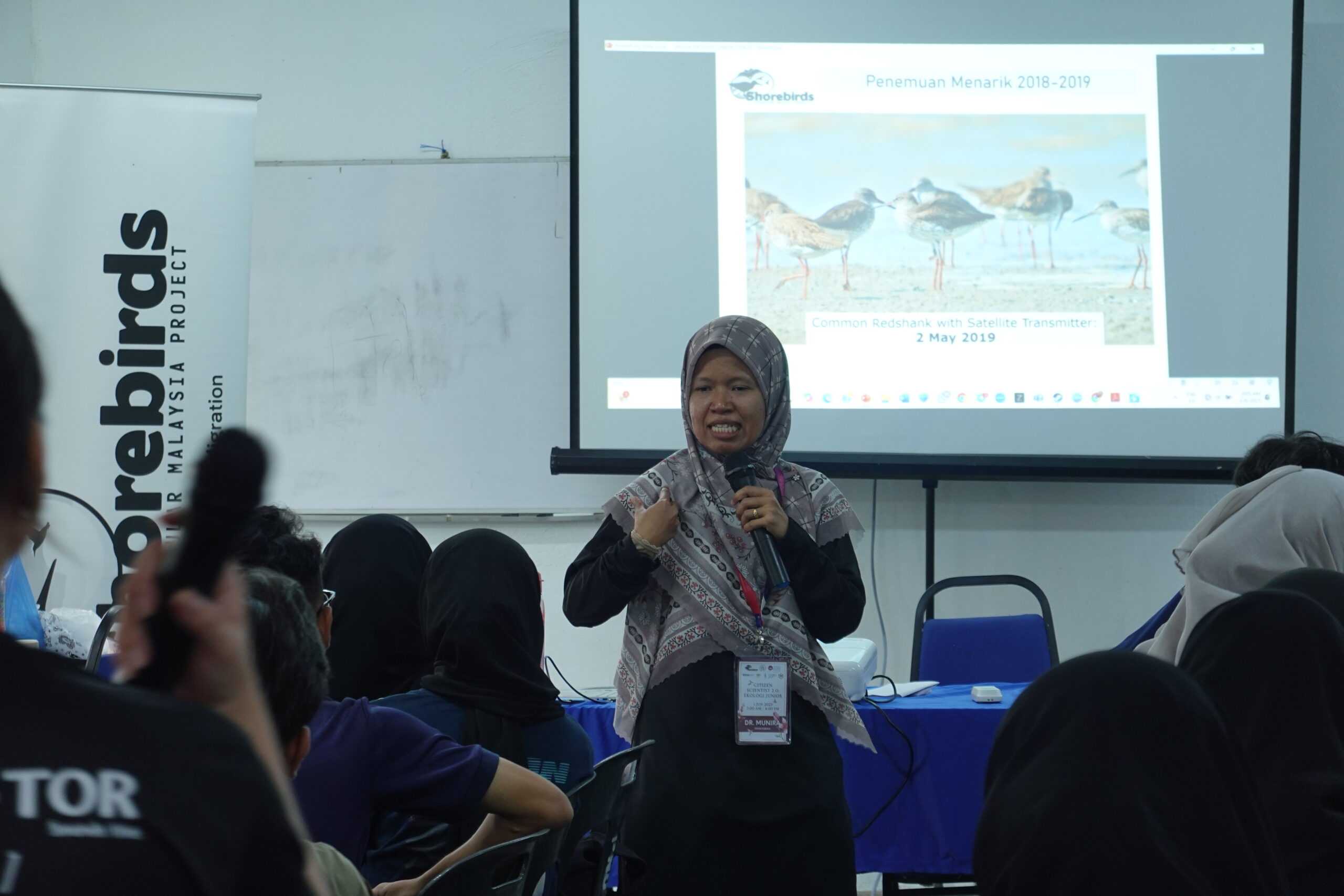
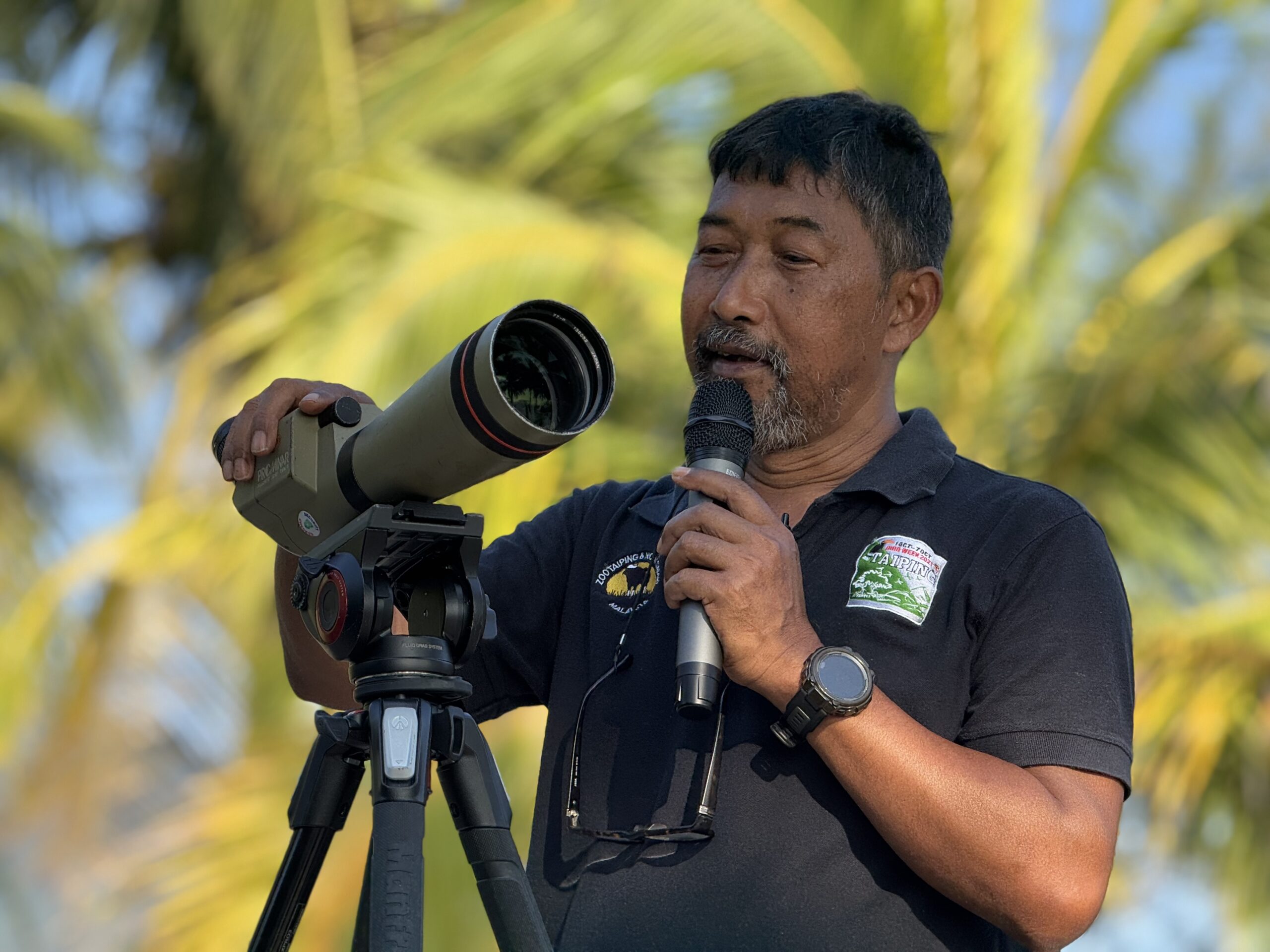
- Talks by ecologists on migratory shorebirds and why the mudflats matter to them.
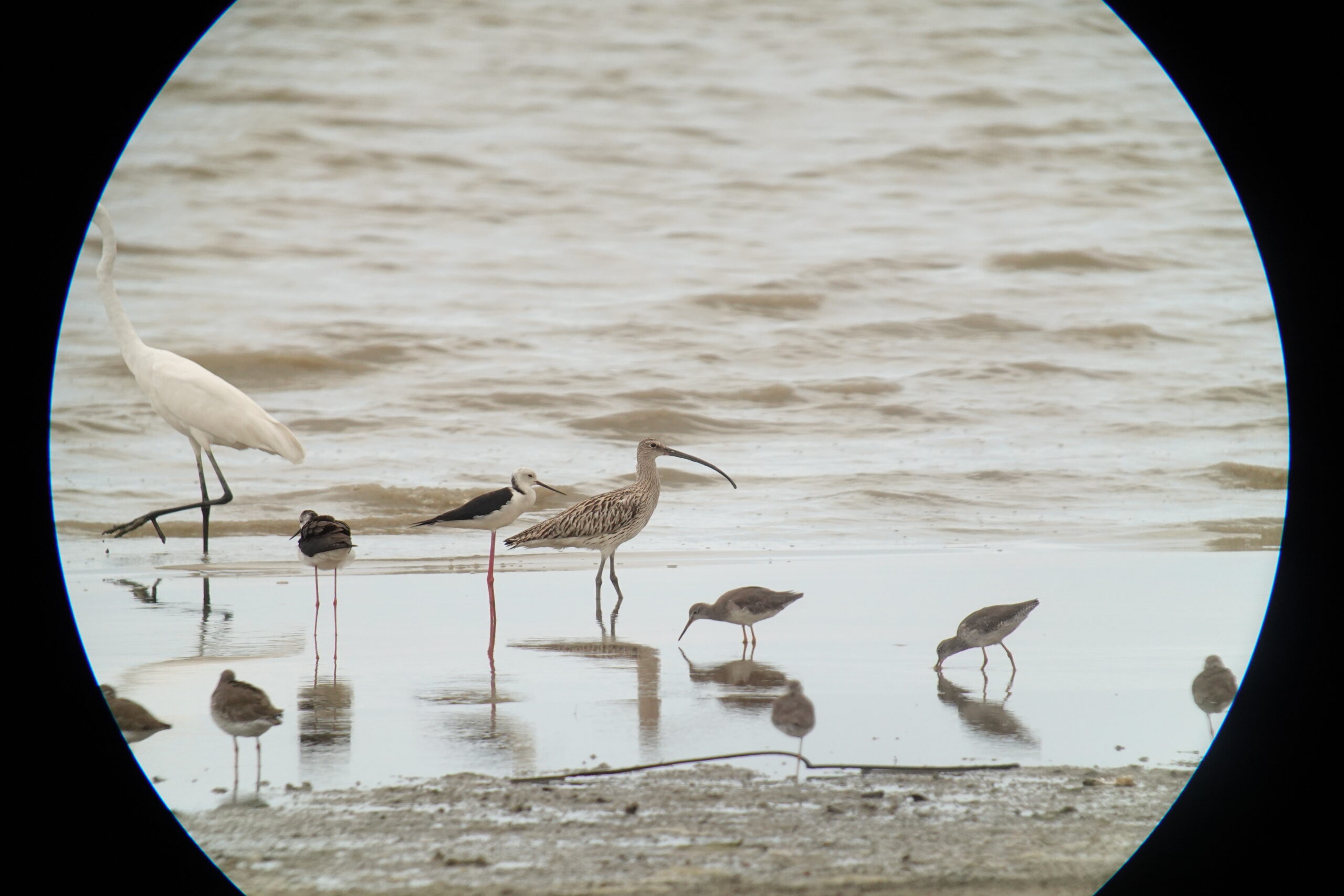
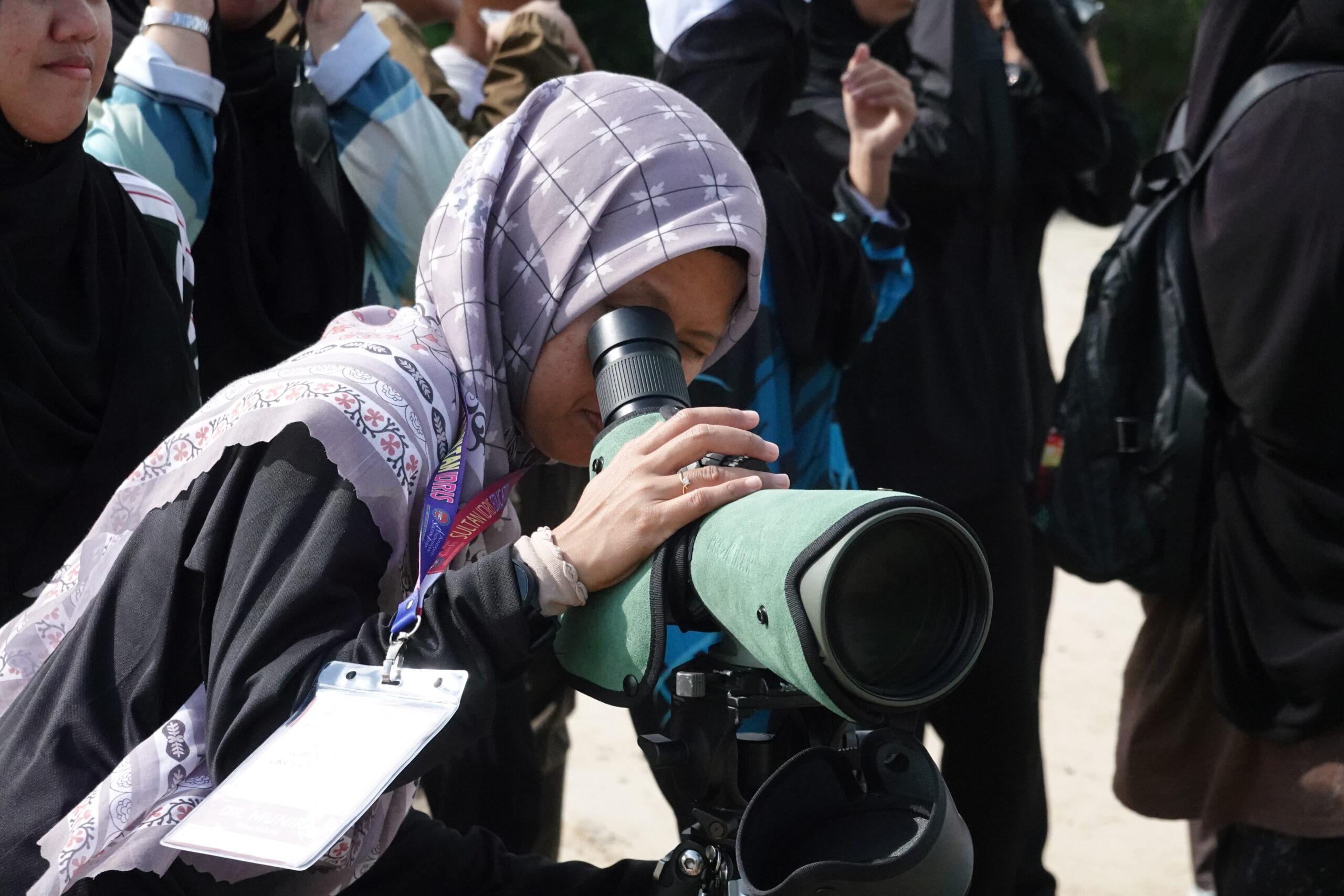
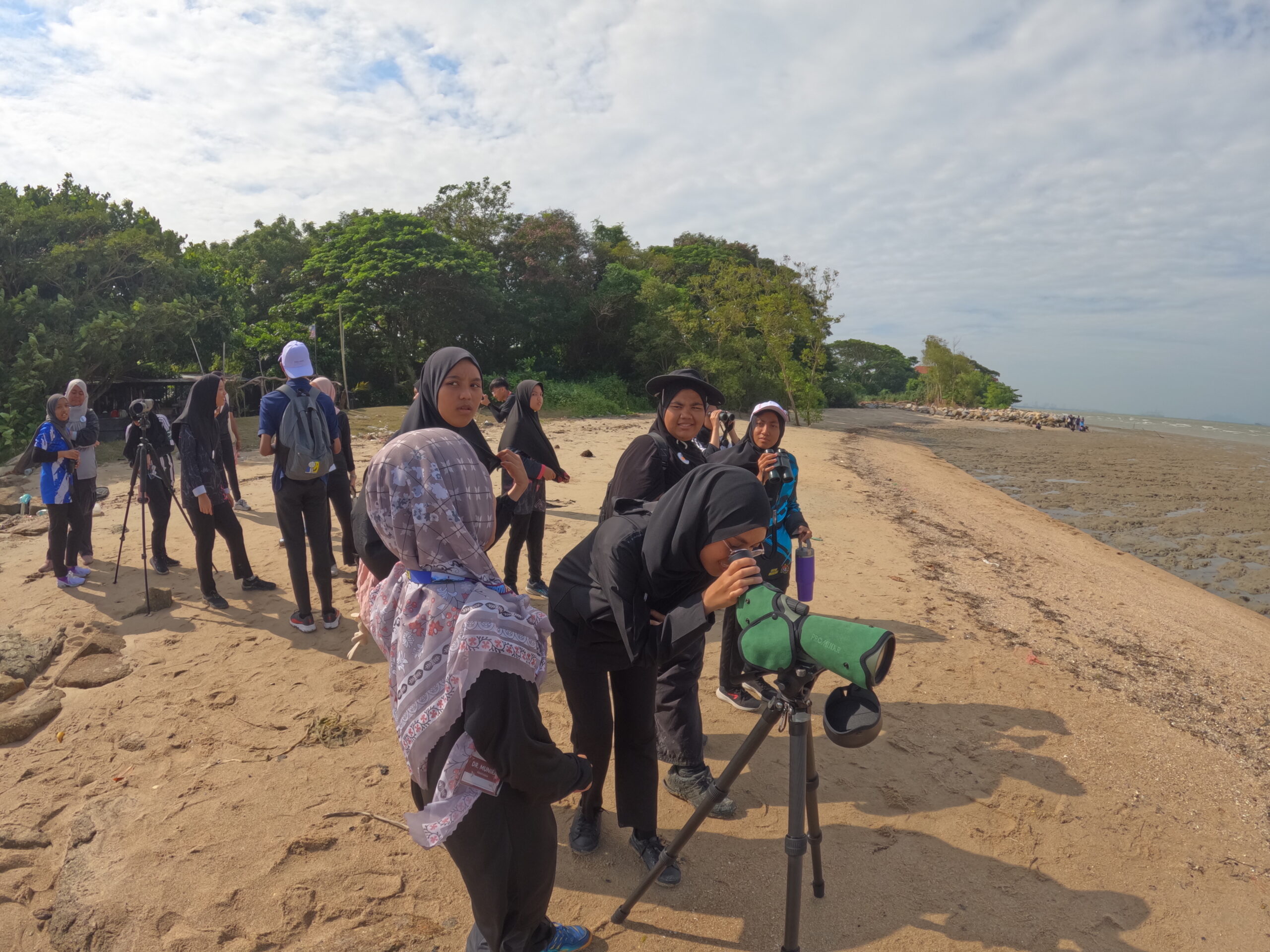
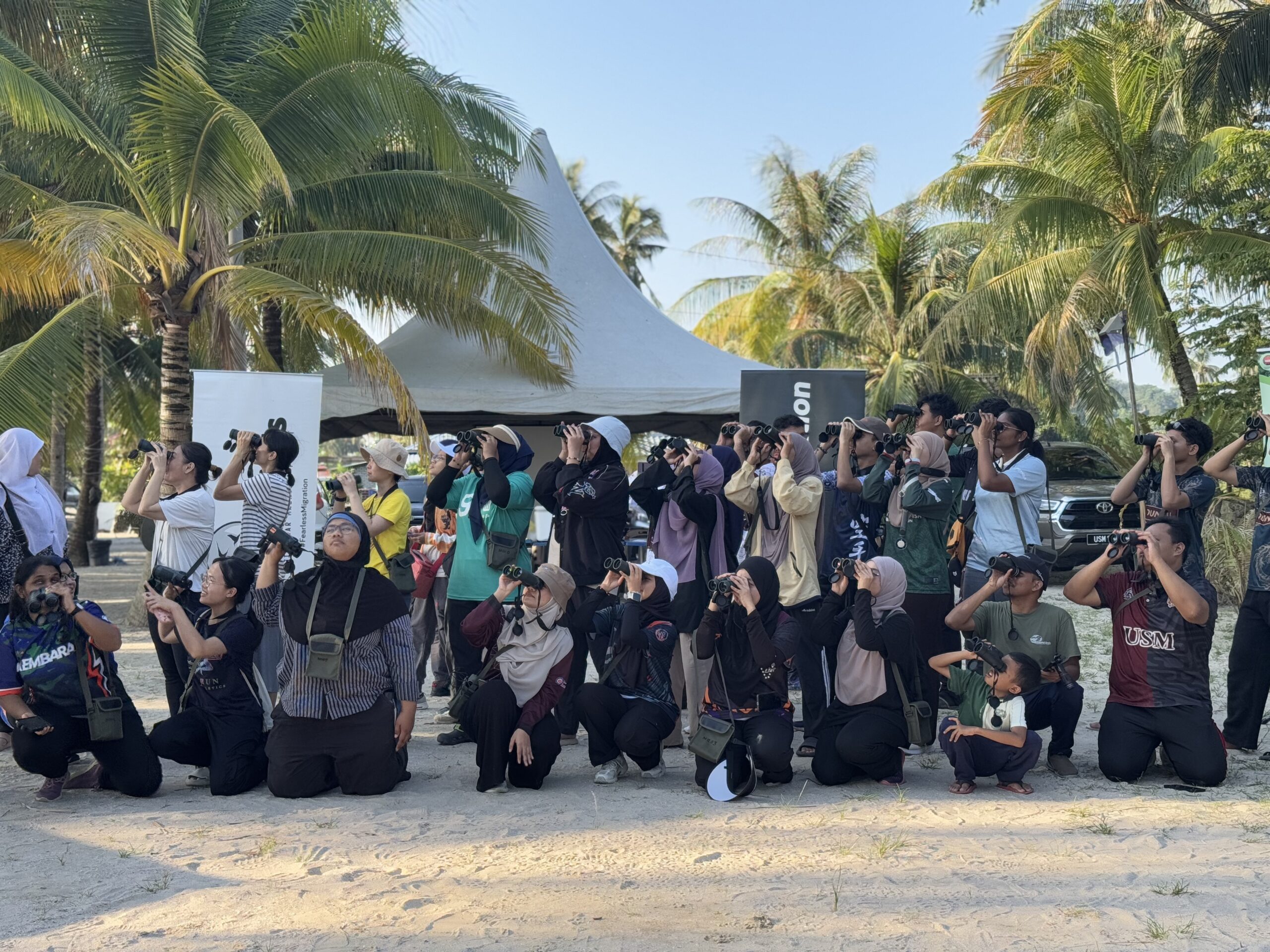
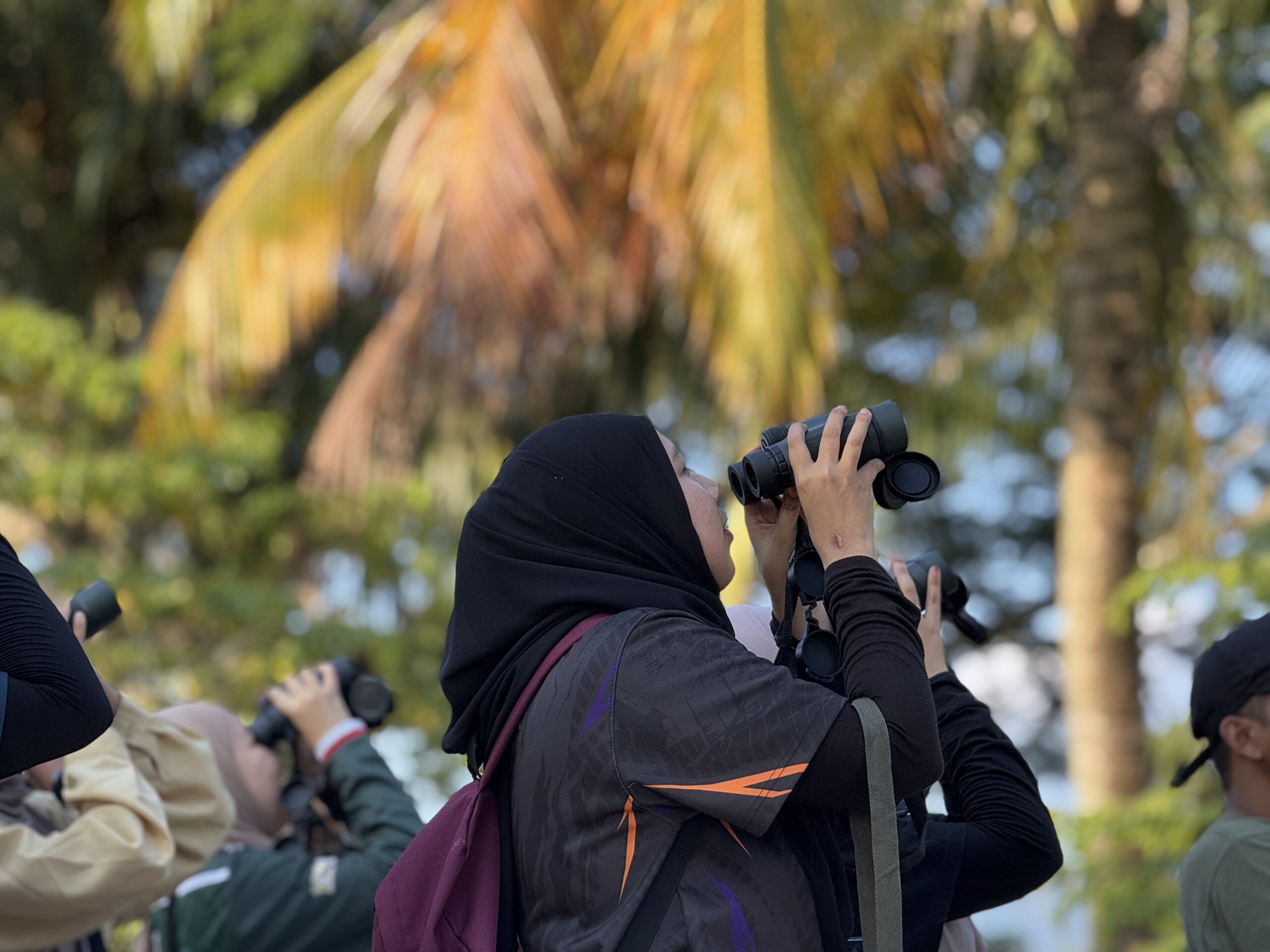
- Watching shorebirds through spotting scopes on the shore.
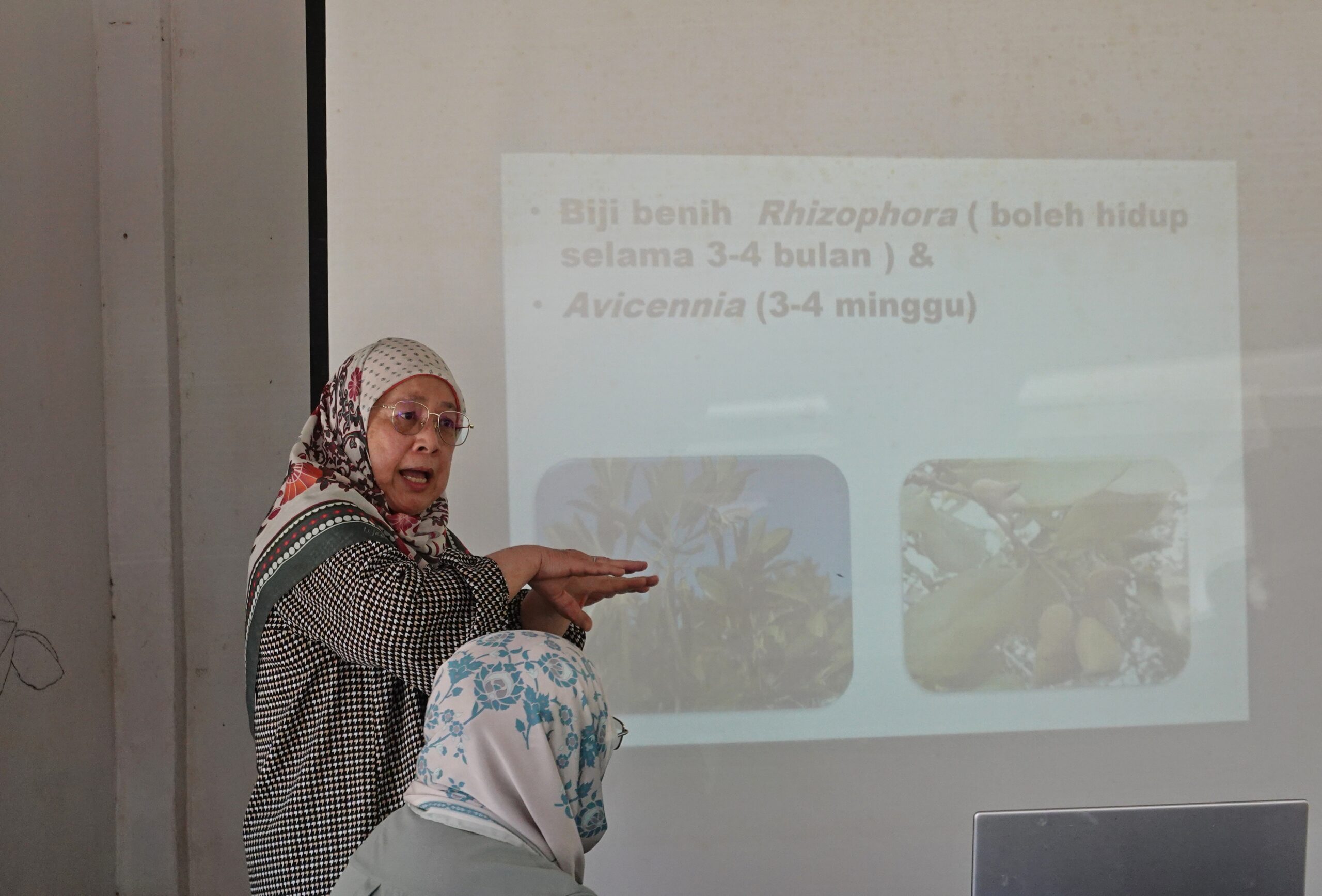
- How mangrove roots, leaves and propagules survive in hot, salty, low-oxygen mud, and how mangroves form zones.
- Games and nature walks, including an “Eco Detective” activity.
Series 3: Zoology Camp
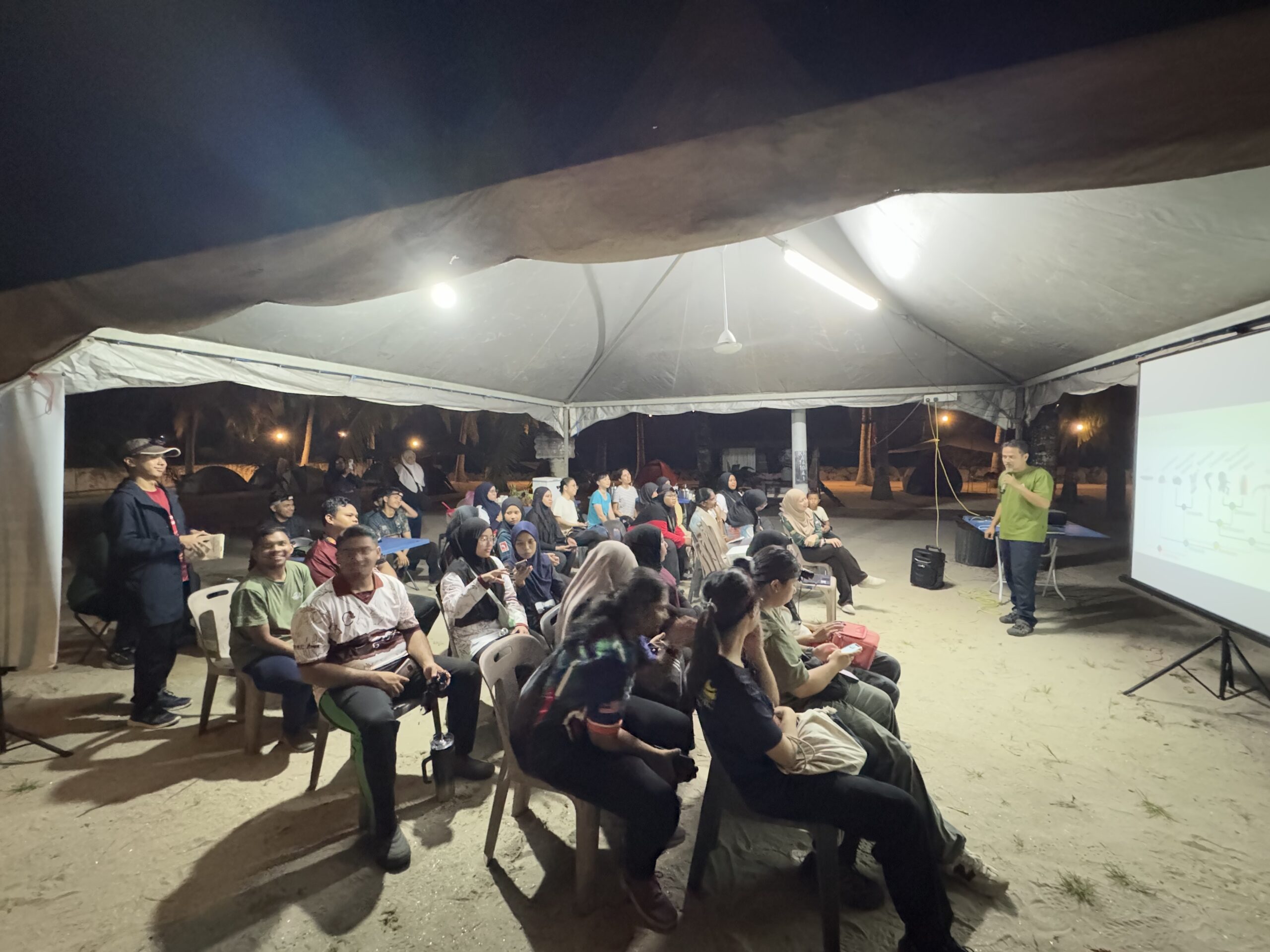
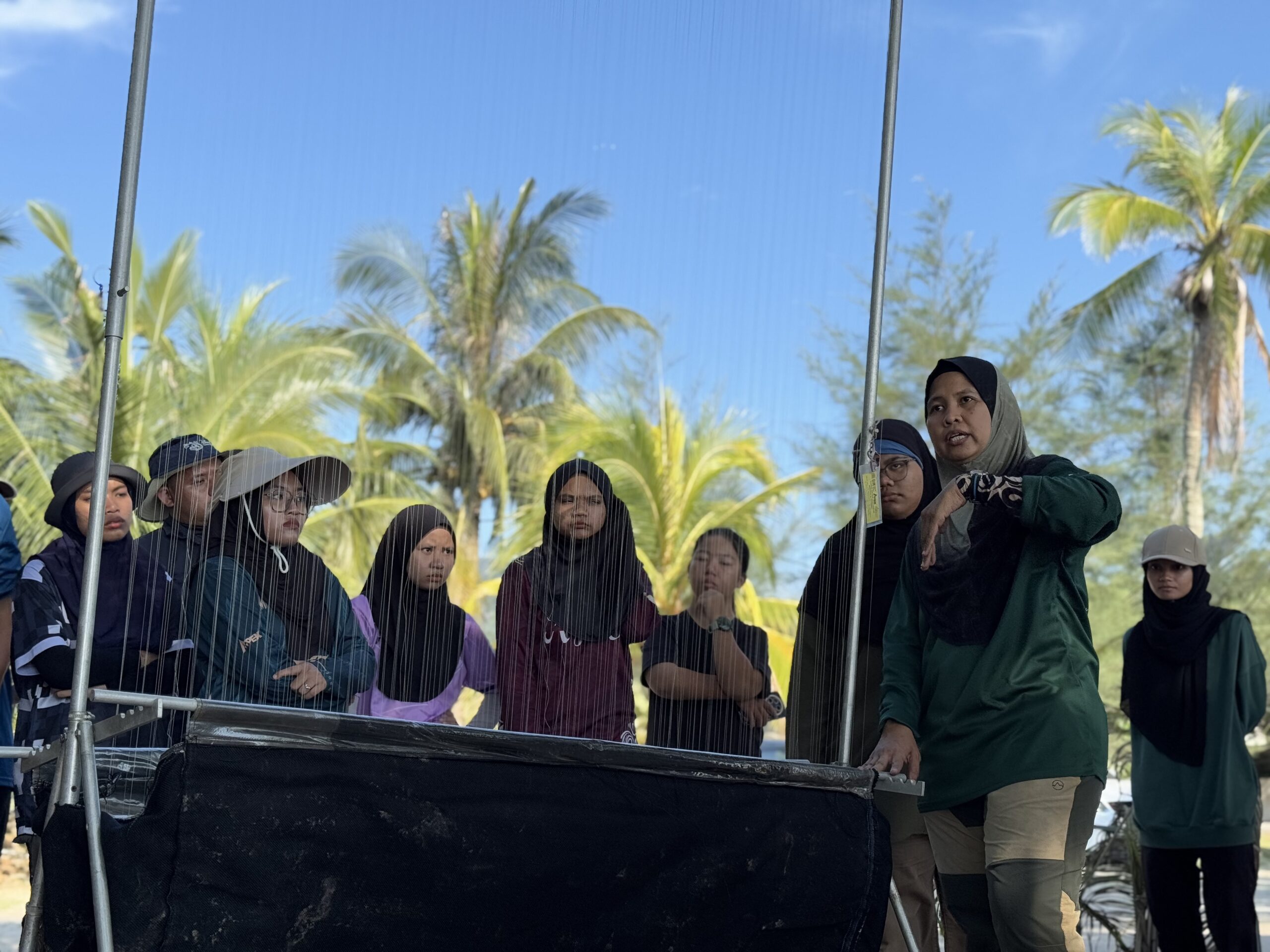
From 29 June to 1 July 2025, university students from UPSI, USM and UTM and members of the public aged 18 to 40 spent three days and two nights at a campsite in Yan, Kedah. They learned field research techniques used by ecologists: birdwatching, line transects and point counts, mist netting for birds and bats, and night surveys for frogs, reptiles and other nocturnal wildlife.
What it achieved
- More than 100 participants across the three series.
- Teachers equipped to bring wetland ecology into the classroom.
- Students and young adults with practical skills in observing and recording wildlife.
- Closer links between universities and local communities, and TAT–KM promoted as a place to learn about biodiversity.
Follow the Shorebirds Peninsular Malaysia Project on Facebook or at shorebirds.my.